
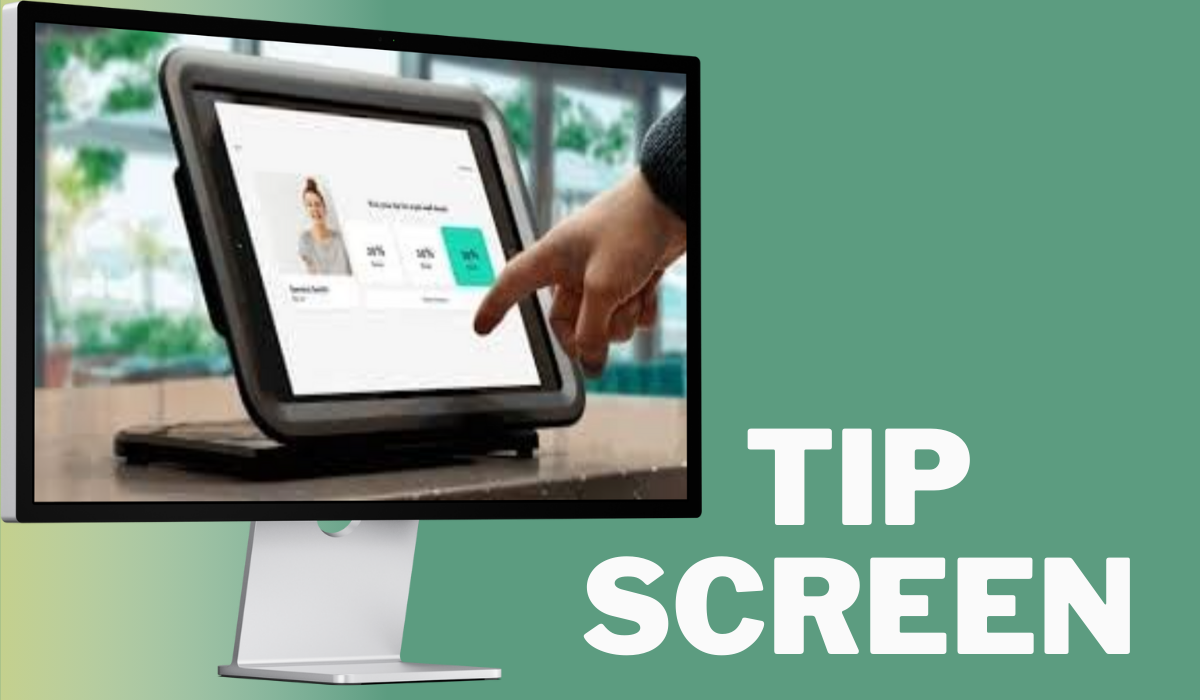
In the fast-paced world of dining, retail, and service industries, every little detail matters. One often overlooked aspect is the tip screen—an essential tool that can transform a simple transaction into an opportunity for enhanced customer satisfaction and increased revenue. Imagine this: customers are more inclined to express appreciation when prompted seamlessly during their payment process. A well-implemented tip screen not only streamlines payments but also encourages generosity in ways that traditional methods simply can’t match.
But how do you add a tip screen to your payment system? Many businesses still cling to outdated practices or think it’s too complicated. The truth is, integrating a digital tip screen has never been easier or more beneficial! Dive into this guide to uncover everything from the importance of these screens to practical steps for adding one effortlessly. Your bottom line—and your patrons’ experience—could be about to get a significant boost!
Understanding the importance of tip screens for businesses
Tip screens play a crucial role in the modern payment landscape. They serve as gentle prompts, nudging customers to consider leaving gratuity before finalizing their transactions. This simple addition can significantly enhance a business’s revenue.
For many service-oriented industries, tips are an essential part of employee income. Without a tip screen, businesses miss out on opportunities for additional earnings that might otherwise go unnoticed. Customers often appreciate being reminded to express gratitude for good service.
Moreover, displaying suggested tip amounts can help standardize tipping practices within your establishment. It takes away the guesswork and allows patrons to feel comfortable contributing appropriately based on their experience.
Incorporating a tip screen also reflects a commitment to improving customer interactions. When customers see this option, they recognize that you value both their experience and your staff’s hard work—a win-win for everyone involved!
The traditional way of adding a tip screen to payment systems
Traditionally, adding a tip screen to payment systems involved cumbersome hardware and manual setups. Businesses often relied on standalone devices or outdated software that required extensive configuration.
This process typically included integrating different point-of-sale (POS) systems with third-party tipping applications. Owners needed technical know-how or hired professionals, which added to the overall cost.
Moreover, many establishments had limited customization options. They couldn’t tailor the tip prompts according to their unique customer interactions.
The result was often a clunky experience for both staff and customers. Long lines could form as payments processed slowly, leaving patrons frustrated while they navigated unclear tipping choices.
With these traditional methods came inconsistencies in how tips were collected and distributed among employees. It created barriers that discouraged customers from showing appreciation for great service.
The benefits of using digital tip screens
Digital tip screens offer a modern approach to enhancing customer interactions. They provide an easy and intuitive way for customers to leave gratuities, creating a seamless experience during payment.
These screens can be customized with preset amounts or percentage options. This flexibility helps guide customers on tipping norms, making it easier for them to contribute.
Additionally, digital tip screens often come integrated with your POS system. This means tracking tips becomes effortless, allowing business owners to analyze trends and adjust strategies accordingly.
Moreover, they can reduce the awkwardness some people feel when leaving cash tips. The clear visual prompts encourage patrons to participate without hesitation.
Engaging visuals or messages can enhance the overall atmosphere of your establishment while promoting a culture of appreciation towards service staff.
Step-by-step guide on how to easily add a tip screen to your payment system
Adding a tip screen to your payment system can be straightforward. Start by selecting a payment processor that supports customizable features. Many popular options come equipped with the capability to add tipping functions.
Next, navigate to the settings within your payment processing platform. Look for an option labeled “Tip Settings” or “Customizations.” This is where you’ll find tools to create your tip screen.
Design the layout. Choose how many predefined tip amounts you’d like to offer—common choices are 15%, 18%, and 20%. You might also include a custom amount field for customers who want to contribute differently.
Once designed, test it out! Make sure it works seamlessly during transactions. Gather feedback from staff and customers alike; their insights can help fine-tune the experience further.
Remember, regular updates are key as trends in tipping may change over time.
Tips for maximizing tips through the use of tip screens
To maximize tips through tip screens, start by making the process seamless. A smooth user experience encourages more customers to engage with the tipping option.
Consider offering preset amounts on your screen. Common choices like 15%, 20%, or a custom amount can prompt customers to give generously without overthinking their decision.
Visuals matter too. Use eye-catching graphics and friendly messaging that express gratitude for any contribution. This creates a positive association with tipping.
Timing is crucial; display the tip screen at just the right moment in the transaction flow. Presenting it after service delivery can remind customers of their experience, prompting them to reward good service.
Train your staff to subtly encourage tips during interactions. A warm smile and genuine connection can enhance customer willingness to show appreciation through gratuities on the tip screen.
Case studies and success stories from businesses who have implemented tip screens
Many businesses have experienced significant financial benefits after implementing tip screens. A coffee shop in Portland reported a 30% increase in tips within the first month of adding a digital screen at checkout. Customers were more inclined to leave extra when prompted by clear options.
A popular restaurant chain saw similar results, with tips rising by over 50% during peak hours. The visually appealing design of their tip screen encouraged customers to contribute more generously.
Even small vendors like food trucks are getting in on the trend. A taco truck owner noted that their average transaction value increased as patrons felt encouraged to round up for good service.
These success stories highlight how effective tip screens can be across various business types, driving both customer satisfaction and revenue growth without requiring major changes to operations.
Conclusion: why adding a tip screen can improve your business’s bottom line and customer experience
Adding a tip screen to your payment system can significantly enhance both your business’s revenue and the overall customer experience. It provides an easy way for customers to show appreciation for great service, which in turn motivates staff members.
The seamless integration of digital tip screens allows businesses to create a more engaging payment process. Customers appreciate the convenience and clarity that comes with choosing their preferred tipping amount, whether they opt for preset options or enter a custom figure.
Moreover, utilizing digital platforms ensures that tips are processed efficiently and accurately, minimizing errors associated with manual calculations. This not only boosts employee morale but also cultivates a positive atmosphere within the establishment.
As businesses continue to adapt to evolving consumer preferences, implementing a tip screen is no longer just an option; it’s becoming essential for those looking to thrive in competitive markets. By prioritizing this feature, you’re not only enhancing user experience but also setting yourself on a path toward increased profitability. Embracing technology like this reflects modern customer expectations while contributing positively to your bottom line.