
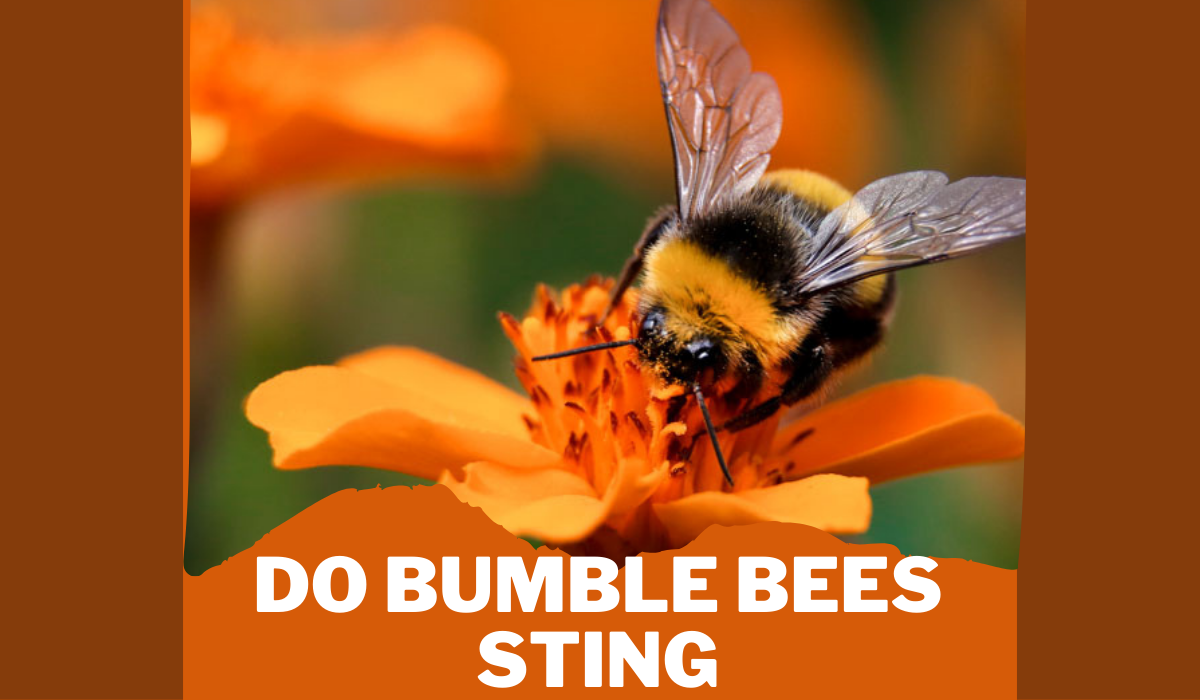
Introduction to Bumble Bees
Bumble bees are some of the most charming and important pollinators in our ecosystem. With their fuzzy bodies and gentle buzzing, these creatures play a vital role in helping plants reproduce. However, many people wonder: do bumble bees sting? This question often arises when folks encounter these busy little insects while gardening or enjoying the outdoors. Understanding their behavior can ease fears and help us coexist peacefully with them.
In this post, we’ll explore whether bumble bees really pose a threat to humans, how their stings differ from those of honey bees, and what you should know for your safety around these fascinating creatures. Let’s dive into the world of bumble bees!
Do Bumble Bees Sting?
Bumble bees are often misunderstood creatures. Many people wonder, “Do bumble bees sting?” The answer is yes, they can and do sting when threatened.
However, these gentle giants are not aggressive. Bumble bees prefer to go about their business of pollinating flowers rather than causing harm to humans. They only resort to stinging as a last line of defense.
If you find yourself near one, it’s usually best to remain calm and still. Most likely, the bumble bee will lose interest in you quickly and continue on its way.
Unlike honeybees, which die after they sting due to barbed stingers, bumble bees have smooth stingers that allow them to sting multiple times if necessary. This makes understanding their behavior crucial for those who encounter them in gardens or meadows.
The Difference Between a Bumble Bee and a Honey Bee Sting
Bumble bee stings and honey bee stings are not the same. Understanding their differences can help ease concerns.
When a bumble bee stings, it can do so multiple times. Their barbless sting allows them to withdraw without losing their stinger. This means they’re capable of defending themselves more than once if threatened.
On the other hand, honey bees have barbed stingers that remain lodged in skin after a sting. When they fly away, they leave behind part of their abdomen, which ultimately leads to their death.
The sensation of each sting can differ as well. Bumble bee stings tend to feel sharper and may cause immediate pain followed by swelling and redness. Honey bee stings often result in localized irritation but might also lead to allergic reactions in some individuals.
Both types require caution, especially for those with allergies or sensitivities.
Factors That May Cause a Bumble Bee to Sting
Bumble bees are generally docile, but certain circumstances can trigger their defensive instincts.
One common factor is when they feel threatened. Approaching their nest too closely can provoke a reaction, as these insects are fiercely protective of their homes.
Sudden movements or loud noises near them may also lead to an unexpected sting. Bumble bees perceive rapid changes in their environment as potential dangers.
Another key reason for stinging involves mating behavior. During the breeding season, males can become more aggressive in defense of territory and mates.
Environmental stressors like extreme temperatures or habitat loss might contribute to increased defensiveness among bumble bee populations. Understanding these triggers helps us coexist with these vital pollinators while minimizing conflict.
Safety Tips When Dealing with Bumble Bees
When encountering bumble bees, it’s essential to remain calm. Sudden movements can provoke them.
Wear light-colored clothing. Dark colors might attract their attention and create a sense of threat.
Avoid strong fragrances from perfumes or lotions, as these can confuse the bees and draw them closer to you.
If you find yourself near a nest, back away slowly. Bumble bees are generally non-aggressive unless they feel threatened.
Consider planting flowers that attract bumble bees far from your outdoor areas where you’ll spend time. This way, you can enjoy their presence without putting yourself at risk.
Educate children about keeping a respectful distance from these important pollinators. Instilling awareness will help prevent accidental stings while promoting coexistence with nature’s helpers.
What to Do If You Get Stung by a Bumble Bee
If you find yourself stung by a bumble bee, stay calm. Panic can worsen the situation and lead to more distress.
First, remove any stinger if it’s still embedded in your skin. Unlike honey bees, bumble bees usually don’t leave their stinger behind, but it’s good to check.
Clean the area with soap and water to reduce the risk of infection. Then apply a cold pack or ice wrapped in cloth for about 10 minutes. This helps alleviate swelling and pain.
Over-the-counter antihistamines can be helpful too. They may relieve itching and redness around the sting site.
Keep an eye on your symptoms over the next few hours. If you experience severe reactions like difficulty breathing or swelling beyond the sting site, seek medical attention immediately. Your health is paramount; don’t hesitate to get help if needed!
Conclusion
Bumble bees are fascinating creatures that play a crucial role in our ecosystem. Understanding their behavior, including whether they sting and what might provoke them, is essential for anyone who enjoys spending time outdoors or working in gardens. While bumble bees can indeed sting, it’s important to remember that they generally prefer to avoid conflict.
Being informed about the differences between bumble bee stings and those of honey bees can help alleviate fears. Bumble bees usually only sting when they feel threatened or if their nest is disturbed. By respecting their space and following safety tips, we can coexist peacefully with these pollinators.
If you do get stung by a bumble bee, knowing how to respond appropriately will make the experience less daunting. With proper care and understanding, any discomfort from a sting can be managed effectively.
Embracing the presence of bumble bees not only fosters biodiversity but also enhances our connection with nature. So next time you see one buzzing around your garden or yard, take a moment to appreciate its hard work rather than fearing it as an adversary.