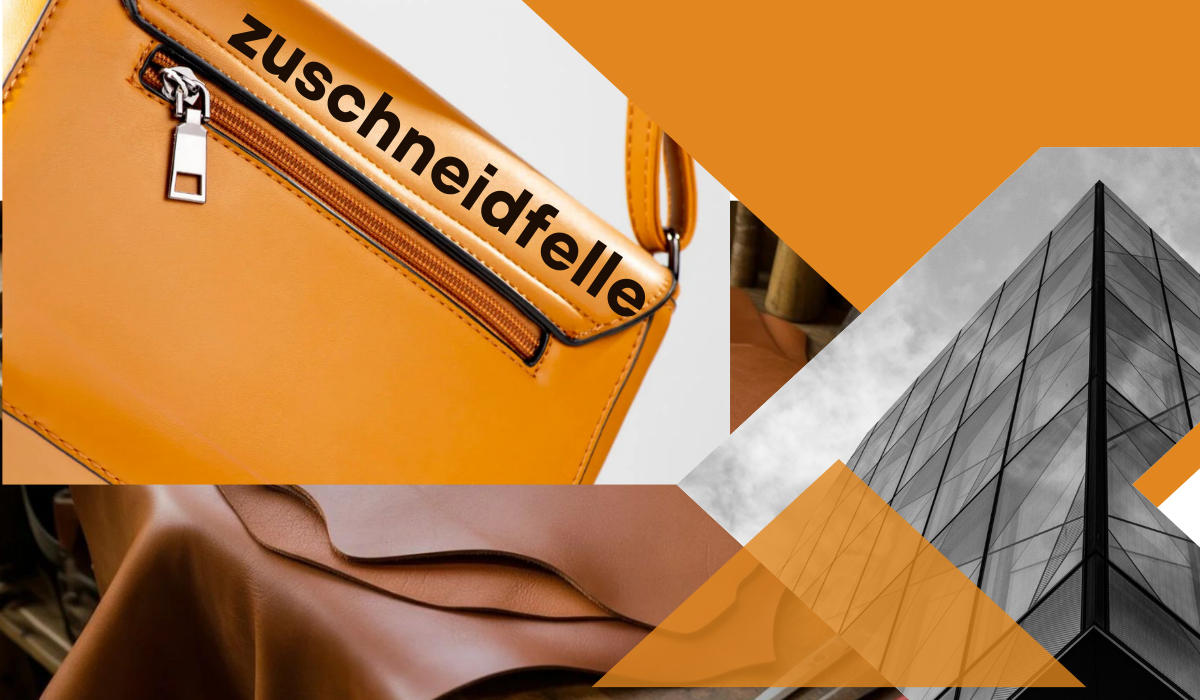
Zuschneidfelle are the backbone of premium leather craftsmanship. Whether you’re crafting a saddle, restoring antique furniture, or diving into a weekend DIY leather project, choosing the right Zuschneidfelle can make or break the outcome. From strength and flexibility to grain structure and tanning method, every detail matters.
In this comprehensive guide, you’ll discover everything you need to know about Zuschneidfelle—how to select them, use them, and maintain them for professional-grade results. Let’s dive in.
Understanding Zuschneidfelle
What Are Zuschneidfelle?
Zuschneidfelle, translated from German, refer to leather hides specifically prepared and graded for cutting and further processing. Unlike decorative leather pieces, Zuschneidfelle are selected for their usability in manufacturing and crafting applications.
These hides are typically:
- Carefully tanned
- Evenly thick
- Free from excessive defects
- Suitable for precise pattern cutting
Because of these characteristics, Zuschneidfelle are widely used in professional saddlery, upholstery workshops, and artisan leather studios.
How Zuschneidfelle Differ from Standard Hides
Not all leather hides are created equal. Standard hides may include irregular thickness, surface imperfections, or inconsistent tanning.
Zuschneidfelle, however:
- Offer consistent thickness across the hide
- Have predictable grain structure
- Are graded specifically for cutting efficiency
- Minimize waste during production
In other words, they’re optimized for performance—not just appearance.
Types of Zuschneidfelle for Different Applications
Selecting the right type depends on your project. Let’s break it down.
Zuschneidfelle for Saddlery
Saddlery demands toughness. Leather must withstand weight, friction, moisture, and movement. For this reason, vegetable-tanned cowhide Zuschneidfelle are most commonly used.
Key features:
- Thickness: 3.5–5 mm
- High tensile strength
- Dense fiber structure
- Excellent moldability when damp
Saddlers often prefer full-grain hides because they maintain structural integrity even after years of use.
Zuschneidfelle for Upholstery
Furniture upholstery requires a different balance—durability plus comfort.
Ideal characteristics include:
- Medium thickness (1.2–1.6 mm)
- Soft yet resilient surface
- Uniform color
- Flexible grain
Chrome-tanned Zuschneidfelle are popular here because they resist cracking and feel supple.
Zuschneidfelle for DIY Projects
DIY enthusiasts love versatility. Whether crafting wallets, belts, or bags, mid-weight hides (2–3 mm) are typically preferred.
DIY leatherworkers should look for:
- Even grain pattern
- Easy-to-cut surface
- Pre-conditioned hides
- Minimal scarring
The good news? Zuschneidfelle offer predictable quality, making them beginner-friendly.
Key Features to Look for When Buying Zuschneidfelle
Thickness and Weight Guide
Thickness is measured in millimeters or ounces (oz). Here’s a quick reference:
| Thickness (mm) | Ounces | Best Use |
|---|---|---|
| 1.0–1.5 mm | 2–4 oz | Upholstery, lining |
| 2.0–3.0 mm | 5–7 oz | Bags, belts |
| 3.5–5.0 mm | 8–12 oz | Saddlery |
Choosing incorrectly can compromise durability or flexibility.
Surface Quality and Grain
Full-grain Zuschneidfelle retain the natural top layer. This makes them:
- Stronger
- More breathable
- More durable
Corrected-grain hides are sanded to remove imperfections. While visually uniform, they may be slightly less durable.
Always inspect:
- Scar marks
- Stretch marks
- Hole placements
- Natural grain flow
Benefits of Using High-Quality Zuschneidfelle
Why invest in premium hides? Because quality compounds over time.
Advantages include:
- Reduced material waste
- Improved structural integrity
- Better stitching hold
- Longer product lifespan
- Enhanced resale value
Moreover, customers recognize quality instantly. And that builds trust—something money can’t buy.
How to Store and Maintain Zuschneidfelle
Improper storage can ruin even the finest hide.
Follow these guidelines:
- Store in a cool, dry space
- Avoid direct sunlight
- Keep humidity between 40–60%
- Lay flat or roll loosely
For maintenance:
- Condition leather every 6–12 months
- Use pH-balanced products
- Avoid water saturation
- Clean gently with soft cloth
Proper care ensures Zuschneidfelle maintain flexibility and strength.
Sustainability and Ethical Sourcing
Modern buyers care about sustainability. So should professionals.
Look for suppliers that:
- Use by-product hides from the meat industry
- Follow environmental tanning standards
- Offer vegetable-tanned options
- Comply with EU REACH regulations
For global leather standards and ethical sourcing insights, visit the Leather Working Group:
https://www.leatherworkinggroup.com/
Ethical sourcing isn’t just trendy—it’s responsible business practice.
Common Mistakes to Avoid
Even experienced leatherworkers slip up.
Avoid:
- Buying based solely on price
- Ignoring thickness requirements
- Overlooking tanning method
- Failing to inspect grain consistency
- Improper storage
Remember, Zuschneidfelle are an investment.
Pricing Guide and Market Trends
Prices depend on:
- Hide size
- Tanning method
- Country of origin
- Grade classification
On average:
- Economy grade: $4–6 per sq ft
- Premium grade: $8–15 per sq ft
Demand for vegetable-tanned hides has increased due to eco-conscious trends. Consequently, pricing reflects this shift.
Expert Tips for Working with Zuschneidfelle
Want to work smarter?
- Use sharp rotary cutters
- Cut along natural grain lines
- Pre-condition stiff hides
- Test dye on scrap pieces
- Stitch with waxed thread
And here’s a pro tip: Always plan pattern placement to avoid weak belly sections.
Frequently Asked Questions
1. What thickness of Zuschneidfelle is best for belts?
Typically 3–4 mm vegetable-tanned leather works best for durability and shape retention.
2. Are Zuschneidfelle suitable for beginners?
Yes. Because they’re graded for cutting consistency, they’re easier to work with than irregular hides.
3. What’s the difference between vegetable and chrome tanning?
Vegetable tanning uses plant-based tannins, while chrome tanning uses chromium salts. Vegetable-tanned leather is firmer and more eco-friendly.
4. How long do Zuschneidfelle last?
With proper care, high-quality hides can last decades.
5. Can Zuschneidfelle be dyed?
Absolutely. Vegetable-tanned hides absorb dye especially well.
6. How do I reduce waste when cutting?
Plan pattern layouts carefully and avoid belly sections for structural components.
Conclusion
Zuschneidfelle remain the gold standard for saddlery, upholstery, and DIY leather craftsmanship. Their consistent thickness, superior grain quality, and cutting efficiency make them indispensable for professionals and hobbyists alike.
When you invest in premium Zuschneidfelle, you’re not just buying leather—you’re investing in durability, craftsmanship, and long-term value.
Choose wisely. Store properly. Work precisely.
And your finished product? It’ll speak for itself.