On a typical weekday morning in New Delhi, senior government offices begin filling with policymakers, administrators, and advisors preparing for the day’s decisions. Behind many of these appointments lies a lesser-known but highly influential system—the Central Staffing Scheme. While the public often sees the outcomes of government decisions, few people understand the mechanism that places experienced officers into key positions where those decisions are shaped.
For entrepreneurs, policy analysts, and professionals interested in governance, understanding the Central Staffing Scheme provides insight into how leadership flows within the administrative structure of government. The scheme determines how officers from various civil services are selected and placed in strategic roles across central ministries and departments.
In essence, it acts as a bridge between talent in public administration and the policymaking institutions that require experienced leadership.
Understanding the Central Staffing Scheme
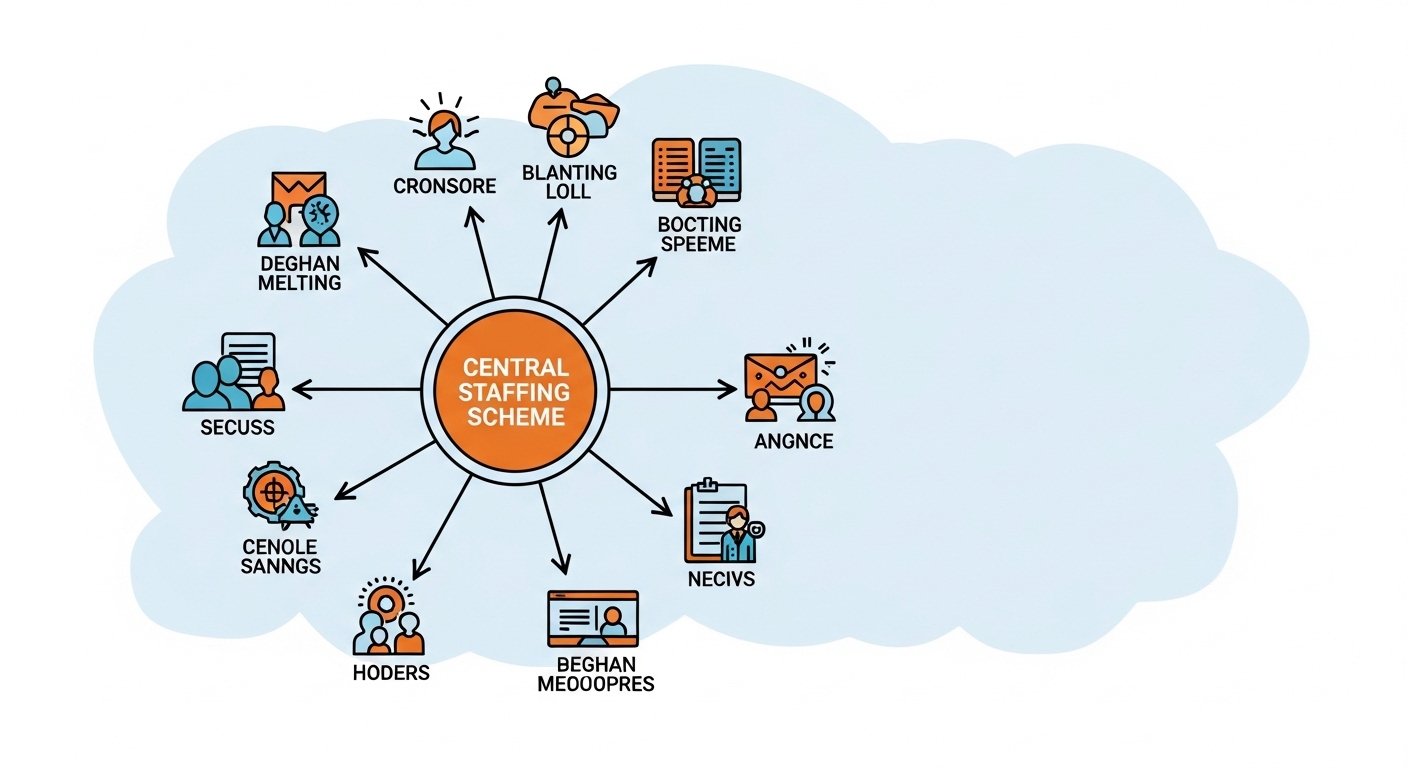
At its core, the Central Staffing Scheme is a structured system used by the Government of India to appoint senior civil servants to positions within central ministries, departments, and organizations. These officers typically come from the Indian Administrative Service (IAS) and other civil services but may be working in state cadres before their selection.
The goal of the scheme is straightforward: ensure that the central government has access to highly experienced administrators who can manage national-level responsibilities.
Through this system, officers move from state-level roles to central government assignments, bringing their administrative expertise with them. This exchange strengthens governance by blending regional experience with national policymaking.
Rather than being a simple transfer process, the scheme involves evaluation, recommendation, and approval at multiple levels to ensure that the right individuals are selected for the right roles.
Why the Central Staffing Scheme Matters
Government systems are complex, and leadership quality plays a critical role in shaping policies that impact millions of people. The Central Staffing Scheme ensures that ministries and departments are led by professionals with proven administrative capability.
Its importance lies in several key areas.
First, it promotes experienced leadership. Officers selected through the scheme often have decades of administrative experience handling complex governance issues.
Second, it supports policy continuity. By rotating officers between state and central roles, the system ensures that national policies remain connected to real-world administrative challenges.
Third, it strengthens institutional capacity. Ministries benefit from officers who bring diverse perspectives from different states and sectors.
For entrepreneurs and founders who interact with government policies—whether in infrastructure, technology, or regulatory sectors—this system indirectly shapes the environment in which businesses operate.
How the Central Staffing Scheme Works
The selection process under the Central Staffing Scheme follows a structured pathway designed to identify suitable candidates for central government roles.
Officers are typically considered for deputation based on their seniority, performance, and experience in administrative leadership. Once they become eligible, their names may be proposed by their respective state cadres.
From there, the process moves through several stages.
First, the officer’s profile is reviewed at the central level to assess suitability for available positions. These roles may include positions such as Joint Secretary, Director, or Deputy Secretary in various ministries.
Second, relevant ministries evaluate the officer’s experience and background to determine whether they align with departmental needs.
Finally, appointments are confirmed through formal approval mechanisms within the central government.
This process ensures that placements are not arbitrary but based on structured evaluation.
Key Positions Filled Through the Scheme
One of the most significant aspects of the Central Staffing Scheme is the range of influential positions it fills across government institutions.
These roles often involve policymaking, administrative leadership, and coordination between ministries. Officers appointed under the scheme may oversee national programs, manage regulatory frameworks, or guide strategic initiatives.
Typical positions include:
- Joint Secretary
- Additional Secretary
- Director
- Deputy Secretary
Each of these roles carries substantial responsibility, often involving oversight of major national programs or policy initiatives.
For example, a Joint Secretary in a technology-focused ministry may influence policies affecting digital infrastructure, startups, and innovation ecosystems.
Benefits of the Central Staffing Scheme
The scheme offers several advantages that contribute to the effectiveness of government administration.
Cross-Government Experience
By moving officers between state and central roles, the system allows administrators to gain broader experience. This exposure helps them understand both local governance challenges and national policy priorities.
Talent Utilization
The central government gains access to some of the most capable administrators across the country. Instead of limiting talent to specific regions, the scheme ensures that expertise is used where it is most needed.
Policy Integration
Officers who have worked at both state and national levels often bring practical insights into policy design. This integration helps bridge the gap between policy formulation and implementation.
For professionals outside the government—particularly entrepreneurs—these benefits translate into more informed policymaking that can impact business ecosystems and regulatory frameworks.
Comparison Between State Cadre Roles and Central Deputation
To better understand how the Central Staffing Scheme functions, it helps to compare roles at the state level with positions at the central government level.
| Aspect | State Cadre Roles | Central Staffing Scheme Roles |
|---|---|---|
| Administrative Scope | Regional or state-level governance | National policymaking |
| Responsibilities | Implementation and local administration | Strategy, policy, and coordination |
| Exposure | State government departments | Multiple ministries and agencies |
| Policy Influence | Regional policies | Nationwide programs |
| Career Impact | Local administrative expertise | Broader leadership experience |
This transition from state to central roles significantly expands an officer’s professional perspective.
Challenges and Criticisms
While the Central Staffing Scheme plays an essential role in governance, it has also faced certain challenges over the years.
One issue involves the availability of officers willing to move from state roles to central assignments. In some cases, state governments may prefer to retain experienced administrators rather than release them for central deputation.
Another challenge relates to balancing specialization with general administrative experience. Some experts argue that modern governance increasingly requires technical expertise in areas such as technology, finance, and environmental policy.
Despite these challenges, the scheme continues to evolve as policymakers explore ways to improve efficiency and attract talented officers to central roles.
Relevance for Entrepreneurs and Business Leaders
At first glance, the Central Staffing Scheme may appear to be purely an administrative matter. However, its influence extends far beyond government offices.
Entrepreneurs and business leaders often interact with government systems through regulatory frameworks, infrastructure programs, and innovation initiatives. The officials appointed under this scheme frequently oversee these areas.
For example, officers in ministries responsible for technology, commerce, or industry may shape policies affecting startups, investment regulations, or digital infrastructure.
Understanding how leadership appointments work within the government helps founders better navigate the policy landscape that affects their industries.
The Evolution of Administrative Leadership
The role of civil servants has evolved significantly over the past few decades. Today’s administrators are expected not only to manage government departments but also to collaborate with private-sector organizations, international institutions, and civil society.
In this context, the Central Staffing Scheme plays a vital role in ensuring that experienced leaders are placed where they can contribute most effectively.
Modern governance requires flexibility, cross-sector knowledge, and the ability to manage complex challenges—from economic development to technological transformation.
By rotating experienced officers through different administrative environments, the scheme helps cultivate these capabilities.
Looking Ahead: The Future of the Central Staffing Scheme
As governance becomes increasingly complex, the systems that support leadership selection must also evolve.
Future reforms may focus on increasing transparency in selection processes, encouraging specialization in emerging fields, and improving coordination between state and central governments.
Technology may also play a role in streamlining administrative systems, making it easier to match officer expertise with departmental needs.
For observers of public administration, the Central Staffing Scheme remains a crucial component of how governments maintain effective leadership across multiple institutions.
Conclusion: A Quiet but Powerful System
While it rarely appears in headlines, the Central Staffing Scheme quietly shapes the leadership structure of government institutions. It determines which experienced administrators move into positions where they influence policies, programs, and national initiatives.
For entrepreneurs, tech readers, and founders interested in the intersection of governance and innovation, understanding this system offers valuable perspective. Behind every policy decision lies a network of experienced administrators working within structured systems designed to support effective leadership.
The Central Staffing Scheme is one such system—an administrative framework that ensures capable professionals guide the complex machinery of government.