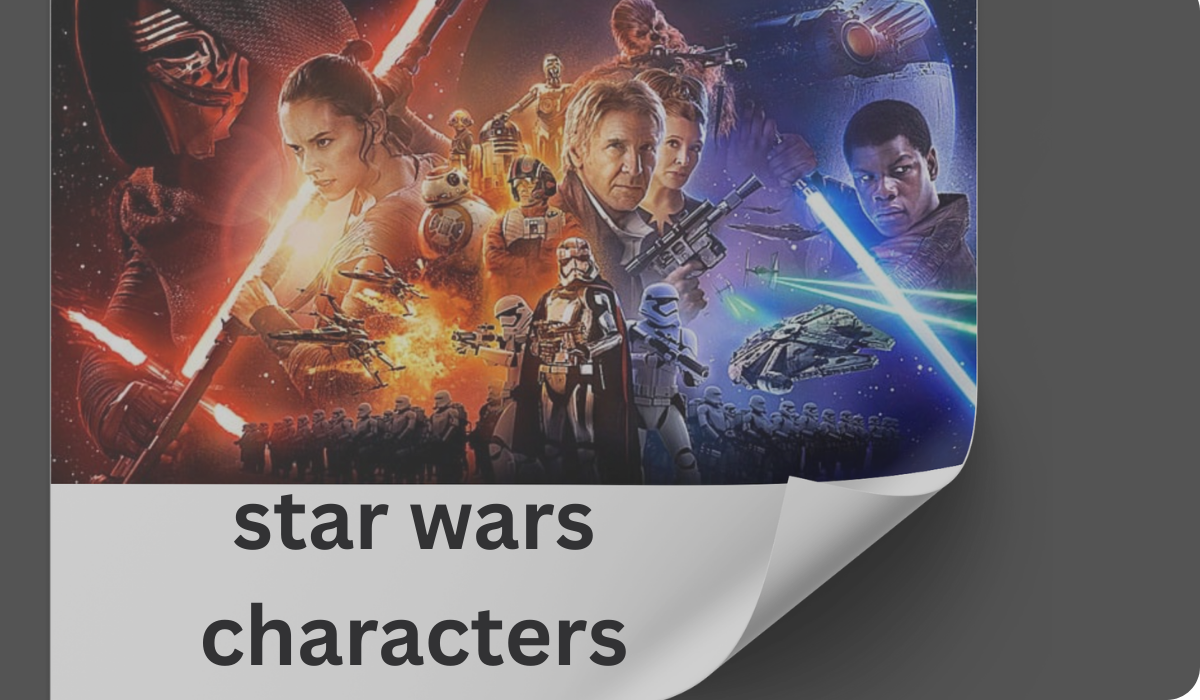
In 1977, audiences entered a movie theater expecting another science-fiction adventure. Instead, they discovered a universe that felt both mythic and deeply human. When the opening crawl of Star Wars: Episode IV – A New Hope rolled across the screen, few people realized they were about to meet some of the most memorable figures in storytelling history. The heroes, villains, rebels, smugglers, and droids who followed would become icons across generations.
Today, Star Wars characters are more than fictional personalities. They represent archetypes of courage, conflict, loyalty, and redemption. Created within the galaxy imagined by George Lucas, these characters shaped not only a film franchise but an entire cultural phenomenon.
For entrepreneurs, storytellers, and media innovators, the enduring popularity of these characters offers a fascinating lesson in narrative design and brand building. Their personalities drive the stories, expand the universe, and keep audiences emotionally invested across decades of films, television series, novels, and games.
Understanding why Star Wars characters resonate so deeply helps explain how great storytelling becomes timeless.
The Foundation of a Mythic Universe
The storytelling approach behind the original films was inspired by mythological traditions and classic hero journeys. When developing the narrative, George Lucas drew inspiration from the storytelling theories of Joseph Campbell, particularly the concept of the “hero’s journey.”
This structure emphasizes transformation: a young protagonist begins in an ordinary world, faces trials, and ultimately emerges as a wiser hero.
Within this framework, Star Wars characters represent roles that appear across myth and legend. There is the hopeful hero, the wise mentor, the mysterious villain, and the loyal companions who help shape the journey.
Because these archetypes feel familiar yet fresh, audiences across cultures connect with them instinctively.
Luke Skywalker: The Hero’s Journey
Few characters embody the classic hero narrative as clearly as Luke Skywalker.
Introduced as a farm boy dreaming of adventure on the desert planet of Tatooine, Luke represents curiosity and hope. His transformation from inexperienced youth to powerful Jedi Knight anchors the emotional core of the original trilogy.
Luke’s story resonates because it reflects universal themes. Many viewers recognize themselves in his early uncertainty and desire to explore a larger world.
Through mentorship, struggle, and personal growth, he gradually learns to trust the mysterious energy known as the Force.
This journey demonstrates how powerful character development can elevate a science-fiction story into something timeless.
Darth Vader: One of Cinema’s Greatest Villains
If Luke represents hope, Darth Vader embodies one of the most compelling villains in cinematic history.
Clad in black armor and speaking with an unforgettable mechanical voice, Vader initially appears as the ultimate antagonist. Yet the deeper story reveals tragedy and complexity.
Originally known as Anakin Skywalker, Vader’s transformation into a Sith Lord represents the consequences of fear, anger, and ambition.
This dual identity gives the character extraordinary depth. His eventual redemption demonstrates that even the darkest paths can lead back toward humanity.
For storytellers, Vader’s arc illustrates the power of layered characters who evolve across multiple narratives.
Princess Leia: Leadership and Strength
Among the most influential Star Wars characters, Princess Leia Organa stands out as a symbol of resilience and leadership.
Introduced as a member of the Rebel Alliance, Leia combines intelligence, courage, and determination. Unlike many traditional portrayals of royalty, she is not a passive figure waiting for rescue.
Instead, Leia actively leads missions, strategizes against powerful enemies, and inspires others to fight for freedom.
Her character challenged many stereotypes in science fiction storytelling and helped redefine the role of female heroes in blockbuster films.
Today, Leia remains a cultural icon representing strength and independence.
Han Solo: The Reluctant Hero
While some heroes begin with noble intentions, Han Solo starts as a smuggler motivated primarily by profit.
Piloting the legendary Millennium Falcon, Han initially avoids political conflicts. Yet over time, his loyalty to friends and belief in the rebellion transform him into a genuine hero.
This shift from cynicism to commitment adds emotional complexity to the story.
Han’s charm, humor, and unpredictability make him one of the most beloved Star Wars characters. His journey reminds audiences that heroism can emerge in unexpected places.
Obi-Wan Kenobi: The Mentor Archetype
Every hero needs guidance, and in the original trilogy that role belongs to Obi-Wan Kenobi.
A wise Jedi Master, Obi-Wan introduces Luke to the Force and provides essential knowledge about the galaxy’s history.
Mentor characters often play critical roles in mythic storytelling. They pass on wisdom, challenge the hero to grow, and sometimes sacrifice themselves for the greater good.
Obi-Wan’s calm presence and philosophical outlook helped define the spiritual dimension of the Star Wars universe.
His teachings about balance, patience, and responsibility remain central to the narrative.
The Expanding Universe of Characters
Over time, the franchise expanded far beyond the original trilogy.
New films, series, and animated stories introduced additional heroes and villains who enriched the galaxy’s narrative.
Characters like Rey, Kylo Ren, and Ahsoka Tano demonstrate how the universe continues evolving.
Each new generation of Star Wars characters reflects changing storytelling styles and cultural influences while maintaining the themes that made the franchise successful.
This ongoing expansion keeps the narrative fresh for new audiences.
Memorable Characters Across the Saga
The richness of the franchise comes from the wide variety of personalities populating the galaxy.
| Character | Role in the Story | Key Trait |
|---|---|---|
| Luke Skywalker | Hero of the original trilogy | Hope and determination |
| Darth Vader | Primary villain turned redeemed father | Tragic power |
| Princess Leia | Rebel leader and strategist | Courage and leadership |
| Han Solo | Smuggler who becomes a hero | Independence and loyalty |
| Obi-Wan Kenobi | Jedi mentor and guide | Wisdom and balance |
This diversity ensures that audiences find characters they connect with personally.
Why These Characters Continue to Matter
The enduring appeal of Star Wars characters comes from their emotional authenticity.
Despite living in a galaxy filled with spaceships, alien species, and mystical energy fields, the characters experience very human struggles.
They confront fear, loss, ambition, and moral choice.
Because of this emotional realism, audiences feel invested in their journeys.
From a storytelling perspective, this balance between fantasy and relatable emotion is crucial for building long-lasting narratives.
Lessons for Storytellers and Creators
The success of these characters offers valuable insights for creators across industries.
First, strong characters drive engagement. Audiences remember personalities more than plot details.
Second, meaningful transformation keeps stories compelling. Characters who evolve over time maintain audience interest.
Finally, emotional authenticity creates connection. When characters feel human—even in a science-fiction setting—viewers invest in their outcomes.
These principles apply not only to film but also to video games, literature, and digital storytelling.
The Cultural Impact of the Star Wars Universe
The influence of Star Wars characters extends far beyond cinema.
Merchandise, television series, novels, and theme park attractions continue expanding the universe. New generations encounter these characters through animated series, streaming platforms, and interactive games.
The franchise itself now operates under the stewardship of Lucasfilm and The Walt Disney Company, ensuring ongoing development of stories within the galaxy.
This global ecosystem demonstrates how powerful characters can sustain a brand for decades.
Conclusion: A Galaxy Defined by Its Heroes and Villains
As the lights dim and the familiar opening theme composed by John Williams begins to play, audiences once again prepare to return to a galaxy far, far away.
The spaceships, planets, and epic battles create spectacle—but it is the characters who truly bring the story to life.
From Luke’s hopeful journey to Vader’s tragic redemption, these personalities carry emotional weight that transcends science fiction.
The enduring legacy of Star Wars characters reminds us that great stories are built on compelling individuals whose struggles reflect our own.
Even in the vastness of space, it is human emotion—courage, fear, loyalty, and redemption—that keeps audiences returning to the galaxy again and again.