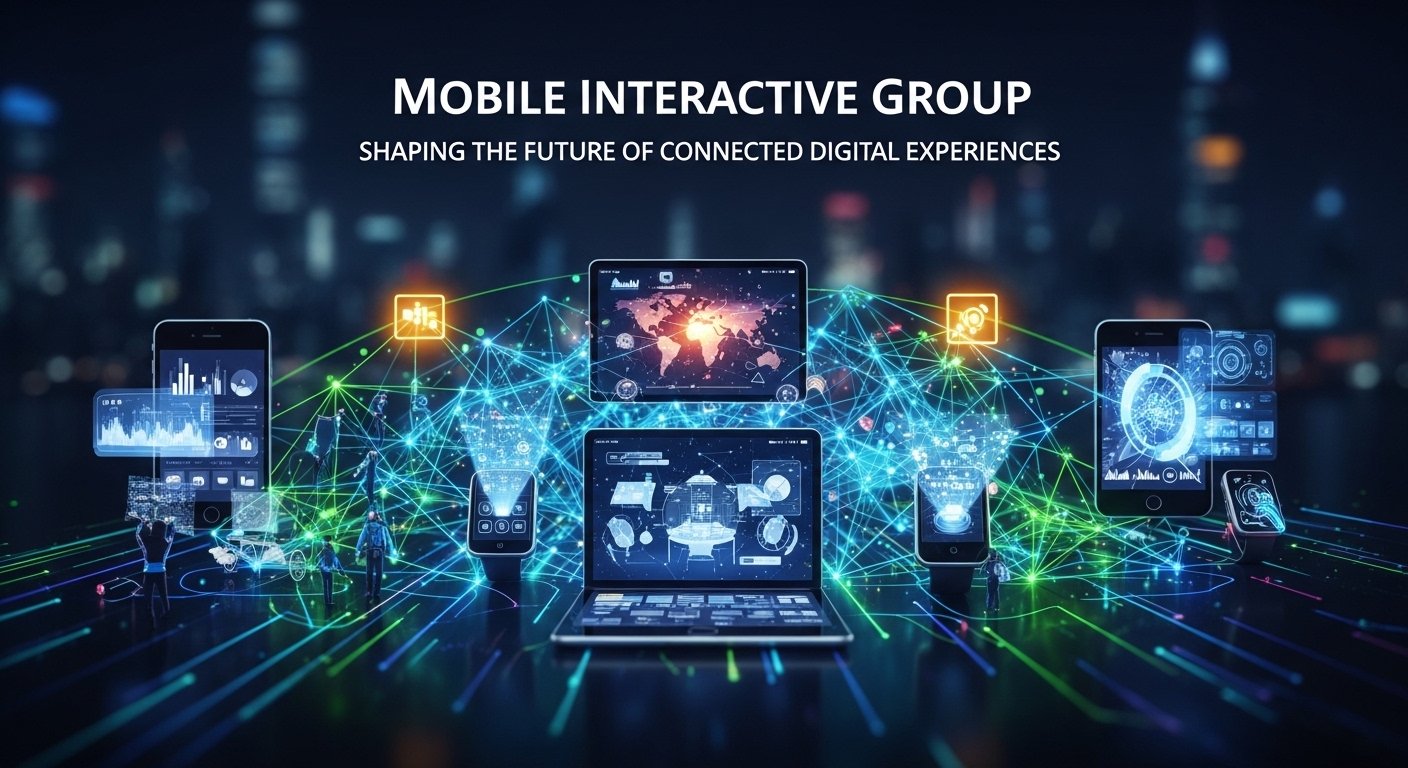
On a crowded commuter train, nearly every passenger holds a smartphone. Some are scrolling through social media, others are responding to work messages, and a few are participating in live polls during a webinar. What appears to be individual activity is actually part of a larger digital ecosystem—people interacting with each other through mobile platforms in real time.
Behind many of these experiences lies the concept of a mobile interactive group. This idea represents the growing trend of building digital communities and collaborative environments that function primarily through mobile devices.
For entrepreneurs, technology innovators, and founders exploring the future of digital engagement, the concept of a mobile interactive group has become increasingly significant. It reflects a shift from passive digital consumption toward active participation, where users collaborate, communicate, and create experiences together through mobile technology.
In the modern digital economy, mobile interaction is no longer just a feature—it is becoming the foundation of how communities, businesses, and audiences connect.
Understanding the Mobile Interactive Group Concept
At its core, a mobile interactive group refers to a digitally connected community that interacts primarily through smartphones or mobile devices.
Unlike traditional online forums or desktop-based collaboration tools, these groups are designed specifically for mobile-first experiences. Members communicate, share content, participate in activities, and collaborate using mobile applications or platforms optimized for touch-based interaction and real-time engagement.
This structure allows participants to remain connected regardless of location. Whether users are commuting, traveling, or relaxing at home, they can engage instantly with other members of the group.
Mobile interactive groups appear in many environments, including professional communities, educational networks, social platforms, gaming ecosystems, and business collaboration tools.
Their popularity reflects the broader transformation of the internet into a mobile-dominated ecosystem.
Why Mobile Interaction Is Transforming Digital Communities
The rise of the mobile interactive group model is closely tied to the global adoption of smartphones.
Over the past decade, mobile devices have become the primary way people access the internet. For many users, especially in emerging markets, smartphones represent the only computing device they regularly use.
This shift has changed how digital communities are formed and maintained.
Traditional online platforms often required users to sit at a computer and dedicate time to browsing or participating. Mobile platforms, however, allow interaction to occur continuously throughout the day.
Short messages, instant reactions, voice chats, and real-time collaboration create an environment where engagement becomes part of everyday life.
For founders building digital platforms, this behavior shift presents a powerful opportunity to design experiences centered on mobile interaction.
The Business Value of Mobile Interactive Groups
For entrepreneurs and technology companies, mobile interactive groups offer more than just communication tools—they represent dynamic ecosystems capable of generating long-term user engagement.
Communities built around interactive mobile experiences often develop strong network effects. As more participants join, the value of the group increases because each member contributes new insights, discussions, or content.
Businesses can leverage these communities to strengthen customer relationships and encourage brand loyalty.
For example, companies may create interactive groups where users discuss product features, share feedback, and learn from one another. This approach transforms customers into active participants within a brand’s ecosystem.
Such communities frequently become valuable sources of innovation, as companies gain direct insight into user behavior and preferences.
Technology Behind Mobile Interactive Groups
The success of a mobile interactive group depends heavily on the technologies that support seamless communication and collaboration.
Mobile applications often integrate multiple features to create engaging environments. Messaging systems allow instant communication, while multimedia sharing enables participants to exchange images, videos, and documents.
Push notifications play an important role in maintaining engagement by alerting members when new conversations or activities occur.
Cloud infrastructure ensures that these interactions remain synchronized across devices and locations. Meanwhile, advanced analytics help platform developers understand how users interact with the group and which features drive the most engagement.
As mobile networks continue improving, especially with the expansion of high-speed connectivity, interactive mobile communities will likely become even more immersive.
Key Features of a Successful Mobile Interactive Group
While each platform differs, most effective mobile interactive groups share several common characteristics.
| Feature | Description | Benefit |
|---|---|---|
| Real-Time Messaging | Instant communication between members | Encourages active participation |
| Multimedia Sharing | Ability to exchange images, videos, and files | Enhances collaboration |
| Push Notifications | Alerts for new messages or updates | Keeps members engaged |
| Mobile-Friendly Interface | Design optimized for smartphones | Improves usability |
| Community Moderation | Tools for managing discussions | Maintains healthy interactions |
These elements work together to create a dynamic environment where users feel connected and involved.
Mobile Interactive Groups in Business Collaboration
In professional environments, the mobile interactive group model has reshaped how teams collaborate.
Remote work and distributed teams have increased the demand for communication tools that function effectively outside traditional office settings.
Mobile-based collaboration platforms allow employees to share updates, coordinate projects, and discuss ideas without being tied to desktop systems.
This flexibility improves productivity by enabling quick decision-making and continuous information exchange.
Startups, in particular, benefit from these tools because they often operate with small teams spread across multiple locations. Mobile collaboration helps maintain alignment and encourages spontaneous problem-solving.
For founders managing fast-moving companies, mobile interaction can become an essential part of daily operations.
Community Building Through Mobile Engagement
Beyond business collaboration, mobile interactive groups play a major role in building digital communities.
Creators, educators, and entrepreneurs increasingly use mobile platforms to cultivate audiences around shared interests.
A mobile group dedicated to a specific topic—such as technology innovation, entrepreneurship, or creative design—can evolve into a thriving network where members exchange ideas and resources.
These communities often generate organic growth as members invite others who share similar interests.
For businesses, nurturing such groups can create powerful ecosystems that extend beyond traditional marketing strategies.
Instead of broadcasting messages to passive audiences, companies can facilitate conversations that strengthen relationships between members.
Challenges of Managing Mobile Interactive Groups
Despite their many advantages, managing a mobile interactive group also presents challenges.
Large communities can become difficult to moderate, especially if conversations grow rapidly. Without clear guidelines and moderation tools, discussions may become disorganized or unproductive.
Another challenge involves maintaining meaningful engagement. While mobile platforms encourage frequent interaction, not all activity leads to valuable conversations.
Platform designers must carefully balance features that promote participation without overwhelming users with constant notifications.
Privacy and data security also remain critical considerations. Mobile platforms must ensure that user information is protected and that communication environments remain trustworthy.
Addressing these challenges requires thoughtful design and responsible management.
The Future of Mobile Interactive Groups
As technology continues evolving, the role of mobile interactive groups is likely to expand significantly.
Advancements in artificial intelligence may allow platforms to recommend conversations, match users with relevant communities, and facilitate smarter collaboration.
Augmented reality and immersive communication tools could transform how mobile groups interact, creating shared digital environments that blend physical and virtual experiences.
Meanwhile, improvements in connectivity will enable smoother real-time interaction even in regions with previously limited infrastructure.
For entrepreneurs and technology innovators, these developments open new possibilities for building communities that are not only interactive but deeply engaging.
The future of digital communication may increasingly revolve around mobile-first collaborative networks.
Conclusion: A New Era of Connected Communities
The rise of the mobile interactive group marks an important shift in how people connect, collaborate, and share ideas in the digital age.
What began as simple mobile messaging has evolved into complex ecosystems where communities form around shared interests, professional goals, and creative collaboration.
For founders and technology leaders, understanding this transformation is essential. Platforms that prioritize mobile interaction and community engagement may become central hubs for communication and innovation.
As mobile technology continues shaping how people interact with the digital world, mobile interactive groups will likely remain at the heart of this transformation—bringing individuals together in ways that were once unimaginable.