It usually begins with a simple moment—an email arrives, a notification pops up, or a colleague asks for the latest progress on a project. Someone says, “Can you give me an update?” It’s a phrase we use almost automatically in English. But when communication crosses languages, even the most familiar words require careful thought. Understanding update in Spanish is more than just translation—it’s about context, tone, and cultural nuance.
In today’s global, digital-first world, where teams collaborate across borders and languages, knowing how to express something as common as an “update” in Spanish can make communication smoother, clearer, and more professional.
What Does “Update” Mean in Spanish?
At its simplest level, “update” in Spanish can be translated in several ways depending on context. The most common equivalents include:
- Actualización – typically used as a noun (e.g., a software update)
- Actualizar – the verb form (to update)
- Poner al día – a more conversational phrase (to bring someone up to date)
These variations highlight an important reality: language is rarely one-to-one. The correct translation depends on how the word is being used.
For example, in a business meeting, you might say “necesito una actualización del proyecto” (I need a project update). In a casual conversation, “te pongo al día” (I’ll bring you up to speed) feels more natural.
Why Context Matters More Than Translation
One of the biggest challenges when using update in Spanish is choosing the right expression for the situation. A direct translation might be technically correct but still sound unnatural.
In professional environments, clarity and tone are essential. Using actualización works well in formal settings, especially in written communication. On the other hand, spoken interactions often lean toward more fluid expressions like poner al día.
For entrepreneurs and founders working with international teams, this distinction can make a significant difference. Effective communication isn’t just about being understood—it’s about being understood in the right way.
Update in Spanish in Business Communication
In the business world, updates are constant. Teams share progress, report changes, and communicate results. Knowing how to express these ideas in Spanish is particularly valuable for companies operating in Spanish-speaking markets.
For example, a project manager might say:
- “Aquí está la actualización del proyecto” (Here is the project update)
- “Voy a actualizar los datos” (I will update the data)
These phrases are straightforward, but their impact lies in their clarity. In cross-cultural teams, clear communication reduces misunderstandings and improves efficiency.
The Role of Update in Spanish in Technology
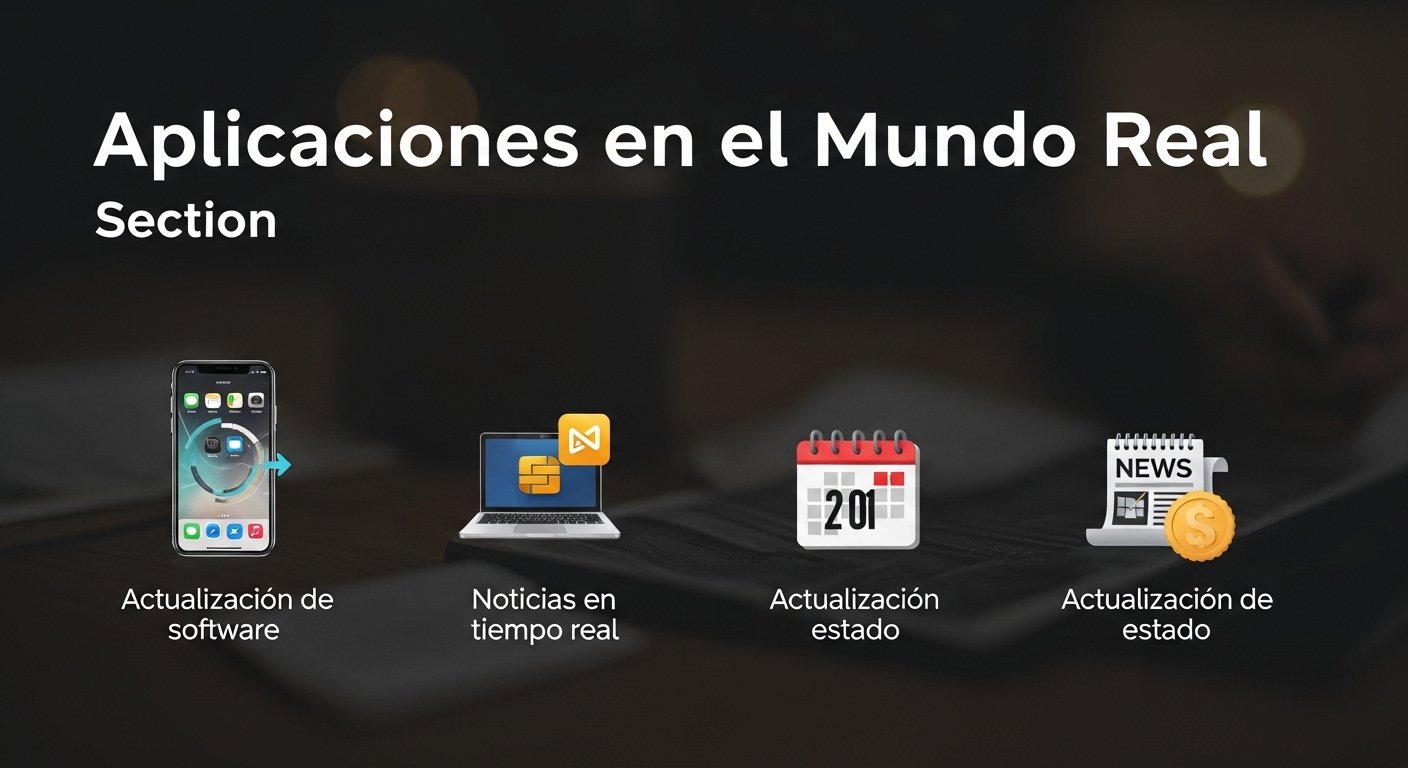
In the tech industry, the concept of an update is central. Software updates, system updates, and app updates are part of everyday operations.
In Spanish, these are typically referred to as:
- Actualización de software
- Actualizar la aplicación
- Última actualización del sistema
For tech readers and developers, this terminology is essential. It ensures that documentation, user interfaces, and support materials are accessible to Spanish-speaking users.
Interestingly, in some informal contexts, especially in tech communities, the English word “update” is sometimes used directly. However, relying on proper Spanish terms enhances professionalism and inclusivity.
Everyday Conversations: A More Natural Approach
Outside of professional settings, language becomes more flexible. When discussing updates with friends or family, the tone shifts.
Instead of formal terms, people often use conversational phrases like:
- “Te cuento las novedades” (I’ll tell you the latest news)
- “Te pongo al día” (I’ll catch you up)
These expressions feel more natural and relatable. They reflect how language adapts to different social contexts.
For anyone learning Spanish, this is a valuable lesson: mastering vocabulary is important, but understanding tone is equally crucial.
Comparing Different Ways to Say “Update” in Spanish
To bring clarity to these variations, here’s a comparison of common expressions:
| Expression | Type | Best Use Case | Tone |
|---|---|---|---|
| Actualización | Noun | Formal, business, tech | Professional |
| Actualizar | Verb | Actions (to update) | Neutral |
| Poner al día | Phrase | Conversations, informal updates | Casual |
| Novedades | Noun | Sharing news or changes | Friendly |
| Informe actualizado | Phrase | Reports and documents | Formal |
This table highlights how different contexts require different expressions. Choosing the right one ensures effective communication.
Cultural Nuances in Spanish Communication
Language is deeply tied to culture, and Spanish is no exception. In many Spanish-speaking cultures, communication tends to be more expressive and relational.
This means that simply delivering an update may not be enough. Adding context, tone, and even a bit of personal connection can make communication more effective.
For example, instead of just saying “aquí está la actualización”, someone might add a brief explanation or greeting. This creates a more engaging and human interaction.
For global teams, understanding these nuances can strengthen relationships and improve collaboration.
Common Mistakes to Avoid
When using update in Spanish, there are a few common pitfalls:
One mistake is overusing direct translations without considering context. Another is mixing formal and informal tones inappropriately.
For instance, using actualización in a casual conversation might sound overly rigid, while using poner al día in a formal report may seem unprofessional.
Avoiding these mistakes requires awareness and practice. Over time, choosing the right expression becomes intuitive.
Why This Matters for Entrepreneurs and Founders
For entrepreneurs and founders, language is more than a tool—it’s a bridge to new markets and opportunities. Spanish is one of the most widely spoken languages in the world, making it a key asset for global business.
Understanding how to communicate updates effectively in Spanish can improve team coordination, enhance customer relationships, and support expansion into new regions.
It also reflects a broader principle: attention to detail matters. Small linguistic choices can have a big impact on how a message is received.
The Future of Multilingual Communication
As businesses become more global, multilingual communication is becoming the norm rather than the exception. Tools like translation software and AI are making it easier to bridge language gaps, but human understanding remains essential.
Knowing how to express something as simple as an update in Spanish is part of a larger skill set—one that combines language, culture, and context.
For tech professionals and founders, this skill will only become more valuable in the years ahead.
Conclusion: More Than Just a Translation
Understanding update in Spanish goes beyond memorizing a single word. It’s about recognizing the nuances of language and adapting communication to fit different contexts.
Whether in business, technology, or everyday conversation, the ability to convey updates clearly and naturally can make a meaningful difference. It improves collaboration, builds trust, and opens doors to new opportunities.
In a world where communication is increasingly global, mastering these details is not just helpful—it’s essential.