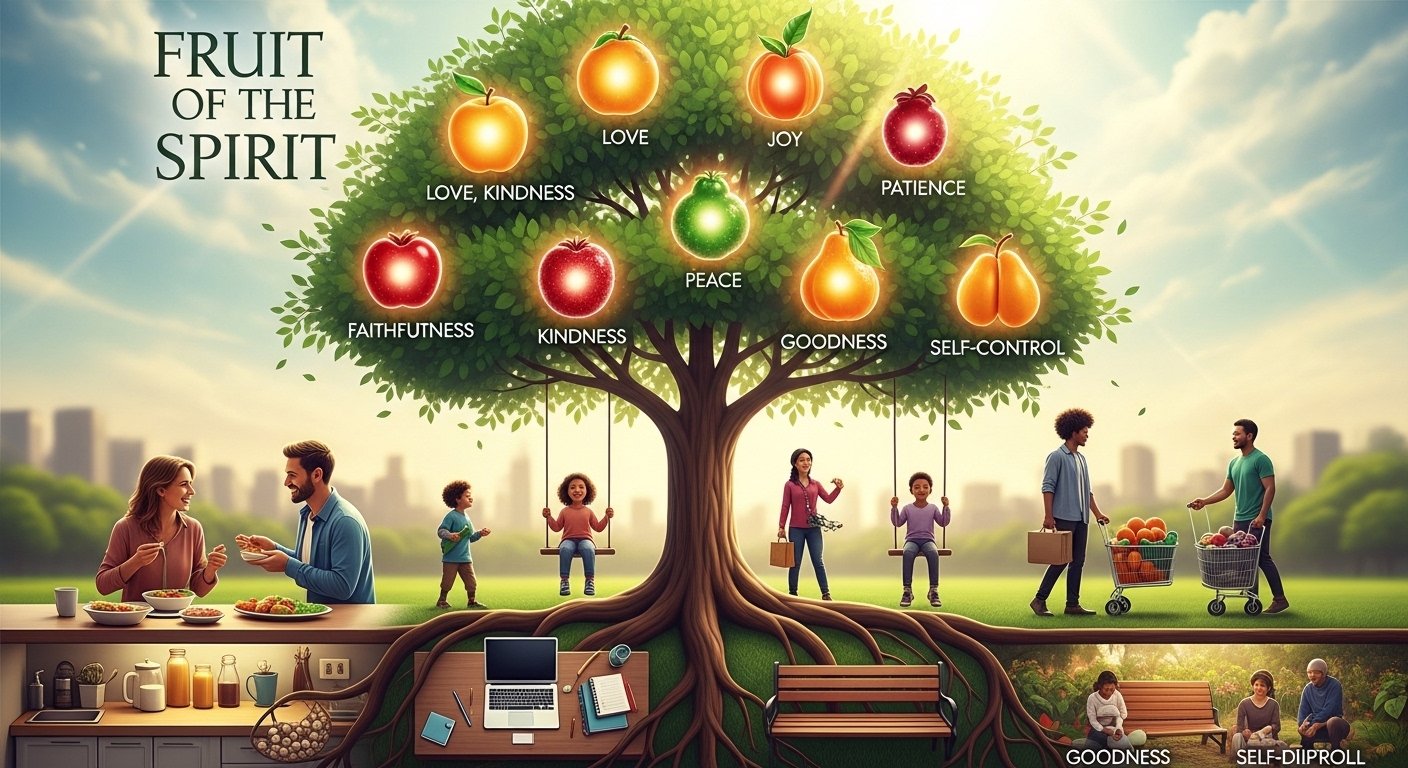
Imagine a life overflowing with love, joy, peace, and kindness. Sounds idyllic, right? This is the essence of the Fruit of the Spirit—a beautiful collection of qualities that can transform your daily interactions and experiences. Rooted in biblical teachings from Galatians 5:22-23, these traits serve as guiding principles for personal growth and spiritual fulfillment. But how do we cultivate these fruits in our everyday lives? It’s not just about knowing them; it’s about living them out each day. Let’s explore how you can nurture this divine fruit basket within you to enhance your relationships and enrich your spirit!
Love
Love is often seen as the cornerstone of the Fruit of the Spirit. It transcends mere affection; it’s an active choice to care for others.
Practicing love means being present. Listen intently when someone speaks and show empathy in their struggles. Small gestures can have a big impact—offering help, sharing kind words, or simply being there for someone in need.
True love also involves forgiveness. Holding onto grudges only weighs us down. Letting go can free both ourselves and those around us from unnecessary burdens.
Moreover, love isn’t just limited to friends and family. It extends even to strangers and those we may find challenging. Treating everyone with respect creates ripples that enhance our communities.
By nurturing this fundamental trait daily, we align ourselves closer with what it means to truly embody the Fruit of the Spirit.
Joy
Joy is more than just a fleeting emotion; it’s a deep-seated sense of contentment that transcends circumstances. Unlike happiness, which often depends on our external situations, joy comes from within. It blooms in the heart and radiates outward.
Cultivating this fruit of the Spirit involves shifting our focus. Instead of fixating on challenges or disappointments, we can choose to recognize life’s blessings. A simple gratitude practice can help highlight these moments.
Consider sharing your joyful experiences with others too. When you express your joy, you not only uplift yourself but also inspire those around you to embrace positivity.
Remember that joy doesn’t negate sorrow; rather, it coexists with it. Embracing both allows for a richer emotional tapestry in life while reinforcing our connection to the divine source of joy.
Peace
Peace is a profound state of being that transcends mere absence of conflict. It’s an inner calm that allows us to navigate life’s storms with grace. When we cultivate peace, we create a sanctuary within ourselves.
To develop this fruit, start by embracing mindfulness. Take moments throughout your day to breathe deeply and center your thoughts. This practice helps quiet the noise around you.
Additionally, let go of grudges and resentment. Holding onto negativity weighs us down. Forgiveness can be liberating, opening the door to tranquility.
Another way to foster peace is through gratitude. Acknowledging the good in our lives shifts our focus from worries to blessings.
Surrounding yourself with peaceful influences—whether people or environments—can also nurture this fruit within you. Create spaces where serenity thrives; nature walks or calming music often do wonders for the soul.
Patience
Patience is often seen as a rare gem in today’s fast-paced world. It requires us to pause, breathe, and wait without frustration. Cultivating patience can transform our interactions and experiences.
Every day presents opportunities to practice this virtue. Whether it’s waiting in line or handling unexpected setbacks, each moment challenges us to respond with grace. When we embrace these moments, we learn to appreciate the journey rather than just the destination.
Mindfulness techniques can greatly aid in developing patience. Taking a few deep breaths before reacting allows for clarity and composure. This simple act creates space for understanding instead of impulsiveness.
Surrounding ourselves with patient individuals also helps nurture this trait within us. Observing how others handle delays or disappointments provides valuable lessons that encourage growth. As we witness their calmness, we gain inspiration on our own path toward becoming more patient people.
Kindness
Kindness is a powerful expression of empathy and compassion. It’s the simple act of putting yourself in someone else’s shoes. When you practice kindness, you create ripples that extend far beyond the immediate moment.
A small gesture, like a warm smile or a helping hand, can brighten someone’s day. Kindness doesn’t always require grand actions; often, it flourishes in everyday moments.
Consider complimenting a stranger or offering your seat to someone on public transport. These acts may seem minor but can have significant effects on both giver and receiver.
Being kind also involves being patient with others’ imperfections. Understanding that everyone has their struggles fosters deeper connections and promotes harmony.
As part of cultivating the fruit of the spirit, kindness enriches your life and those around you. The more you give kindness away, the more it grows within you too.
Goodness
Goodness goes beyond mere morality. It’s about embodying the essence of kindness and integrity in every action. When we embrace goodness, we contribute positively to the world around us.
This trait inspires us to act selflessly. Simple gestures, like helping a neighbor or volunteering for community service, reflect our commitment to goodness. It’s these small acts that often have the most significant impact.
Practicing goodness also involves being honest with ourselves and others. Transparency fosters trust and strengthens relationships.
Moreover, cultivating a spirit of generosity enriches not just those we help but ourselves as well. The joy derived from uplifting others is immeasurable.
To nurture this fruit effectively, seek opportunities each day where you can do good—no matter how trivial they may seem at first glance. Each step taken in goodness shapes your character over time and brings light into dark places.
Faithfulness
Faithfulness is a steadfast commitment to your values and relationships. It reflects loyalty, trustworthiness, and consistency in every action.
When we practice faithfulness, it strengthens our bonds with family, friends, and even ourselves. Being reliable allows others to feel safe and secure around us. It’s about showing up when it matters most.
In our spiritual journey, faithfulness means remaining dedicated to our beliefs despite life’s ups and downs. It encourages us to maintain a strong connection with God through prayer and service.
Cultivating this trait involves small daily actions that reinforce reliability. Whether it’s keeping promises or supporting loved ones during tough times, these acts pave the way for deeper connections.
Reflecting on moments of doubt can also deepen your understanding of faithfulness. Each challenge presents an opportunity for growth in this essential aspect of life.
Gentleness
Gentleness is often seen as a quiet strength. It involves approaching others with kindness and understanding, even in difficult situations. This trait can transform our interactions.
When we practice gentleness, we create a safe space for people to express themselves. It’s about listening without judgment and responding thoughtfully. A gentle spirit fosters trust and openness.
In moments of conflict, gentleness acts as a calming force. Instead of reacting harshly or defensively, a gentle response encourages dialogue rather than division.
Being gentle doesn’t mean being weak; it’s an intentional choice to nurture relationships with love and compassion. Small gestures—like soft words or patient actions—can make a significant impact on those around us.
Cultivating gentleness requires self-awareness and patience with ourselves too. Recognizing when to soften our tone or approach can lead to more meaningful connections in everyday life.
Self-Control
Self-control can often feel like a daunting task. It’s that inner strength that helps us resist temptations and make wise choices.
We face countless distractions daily, from social media scrolling to junk food cravings. Developing self-control is essential for achieving our goals and living a fulfilling life.
Practicing mindfulness is one effective way to enhance this trait. Being present in the moment allows you to recognize urges without immediately acting on them.
Another strategy involves setting clear boundaries. When you establish limits, it becomes easier to stick with your commitments and maintain focus.
Remember, building self-control isn’t about perfection; it’s about progress. Celebrate small victories along the way as they pave the path toward personal growth and discipline.
With time and practice, cultivating self-control can transform your habits into positive actions that reflect the fruit of the spirit in everyday life.
Practical ways to cultivate the Fruit of the Spirit in daily life
To cultivate the fruit of the spirit in daily life, start with small acts. A simple smile or a compliment can brighten someone’s day and reflect love.
Integrate gratitude into your routine. Keeping a gratitude journal helps you recognize joy even in mundane moments.
Practice mindfulness to enhance peace; take deep breaths during stressful times, anchoring yourself in the present.
For patience, try waiting without distraction—whether it’s standing in line or watching for an appointment.
Kindness flows from genuine intention. Volunteer at local charities or simply lend a hand to someone in need.
Goodness involves making ethical choices, such as supporting fair-trade products or being honest in everyday interactions.
Strengthen faithfulness by committing to your promises, no matter how small they may seem.
Gentleness can be shown through active listening—give others your full attention when they speak.
Develop self-control by setting clear boundaries around distractions like social media usage.
Challenges and struggles in developing these traits
Developing the fruit of the Spirit can be a daunting journey. Life’s pressures often test our resolve. Stressful situations can easily lead to impatience or unkindness.
People may find themselves frustrated when trying to embody these traits consistently. It’s not uncommon for moments of joy to feel fleeting amid challenges. For some, maintaining peace in chaotic environments proves difficult.
Moreover, self-control is a struggle many face daily. Temptations lurk around every corner, making it hard to stick to one’s values and goals.
The desire for goodness may clash with societal norms that value individualism over community support. In such cases, understanding how others experience similar struggles becomes vital.
Recognizing these challenges helps foster resilience on this spiritual path. Embracing imperfections allows growth opportunities and deepens one’s connection with their faith journey.
Importance of accountability and community in growing spiritually
Accountability and community play a vital role in spiritual growth. When we surround ourselves with like-minded individuals, it creates an environment conducive to learning and support. Sharing our struggles encourages openness and honesty.
Having someone to hold us accountable fosters commitment. It motivates us to pursue the fruit of the Spirit consistently. We become more mindful of our actions when we know others are watching.
Communities provide diverse perspectives on faith. Engaging with different viewpoints can deepen understanding and inspire personal growth. Group discussions allow for new insights that might be missed in solitude.
Additionally, celebrating each other’s victories strengthens bonds within the community. Recognizing progress fuels motivation and reinforces our journey toward embodying love, joy, peace, and all other traits of the Spirit.
In this shared journey, we find encouragement during tough times. Together, we face challenges head-on while lifting one another up along the way.
Conclusion
Cultivating the fruit of the spirit is an ongoing journey. It requires dedication and intentionality in our daily lives. Embracing love, joy, peace, patience, kindness, goodness, faithfulness, gentleness, and self-control can transform our relationships and enhance our overall well-being.
As we navigate through life’s challenges and struggles with these traits in mind, remember that it’s a process filled with growth and learning. Being part of a supportive community or having accountability partners can be invaluable as you seek to deepen your spiritual life.
Embrace this beautiful journey toward developing the fruit of the spirit within you. Each step taken brings you closer to living a more fulfilling life anchored in these profound qualities.