On a humid evening in Lagos, a young founder stepped onto a rooftop stage to pitch her startup. The crowd was a mix of investors, creatives, and skeptics. But before she spoke a word, something else made an impression: her cheetah print blazer—bold, deliberate, impossible to ignore. It wasn’t loud for the sake of noise. It was strategic. In a room where attention is currency, she understood something many overlook: style can be a signal.
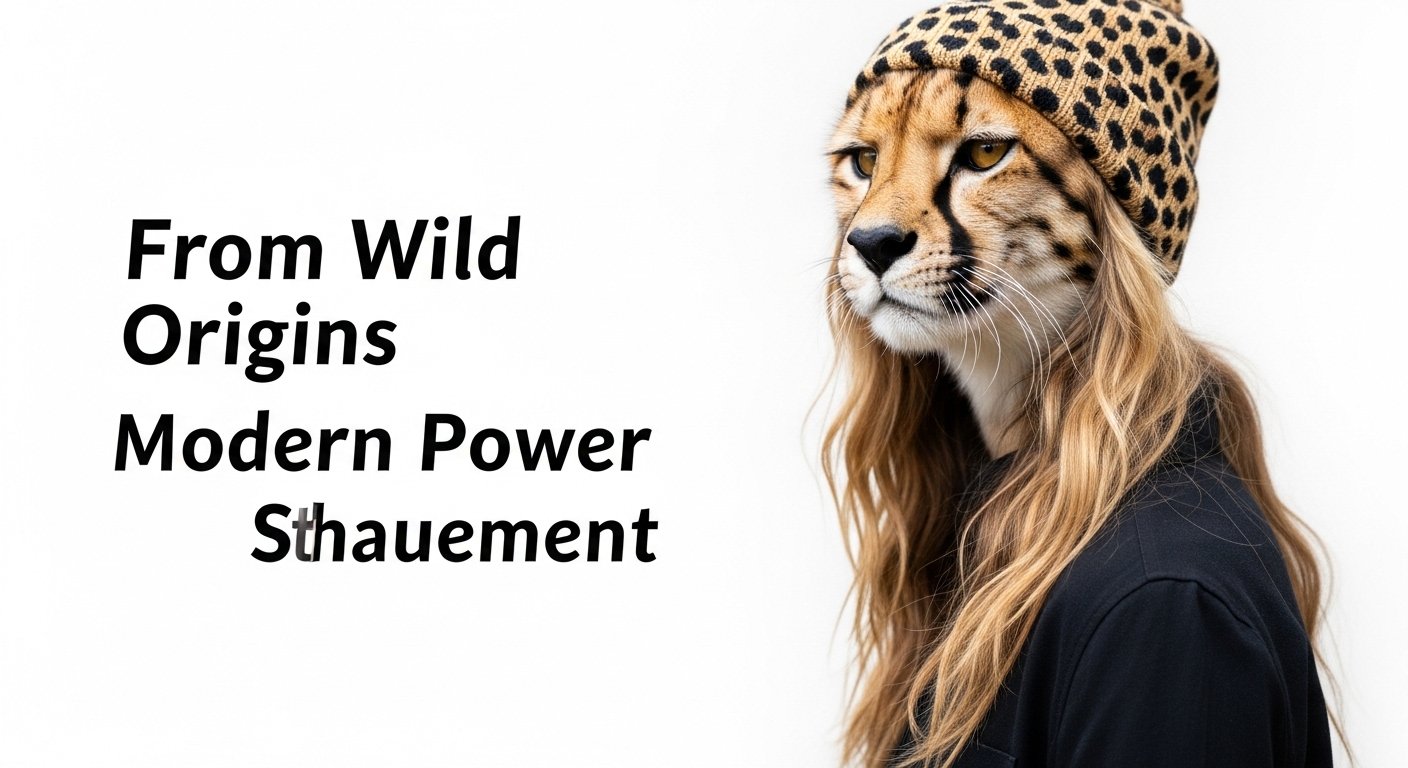
That moment captures the evolution of cheetah print—from a natural pattern found in the wild to a cultural and professional symbol that communicates confidence, risk-taking, and identity.
The Origins of Cheetah Print: Nature as Design Authority
Cheetah print, inspired by the coat of the cheetah, is one of nature’s most efficient designs. The irregular black spots on tawny gold aren’t just visually striking—they’re functional, helping the animal blend into dry grasslands while hunting.
Fashion, as it often does, borrowed from biology.
Historically, real animal skins were worn as status symbols across cultures. But it wasn’t until the early 20th century that cheetah-inspired patterns began appearing in mainstream fashion—initially through luxury houses in Europe. Designers like Christian Dior helped popularize animal prints in post-war couture, associating them with elegance rather than primality.
Over time, synthetic alternatives replaced real fur, shifting cheetah print from exclusivity to accessibility—without losing its edge.
From Glamour to Grit: Cultural Reinvention
Cheetah print didn’t stay confined to high fashion for long. By the 1960s and 70s, it became a symbol of rebellion and sensuality, worn by icons like Brigitte Bardot and later embraced by rock musicians and subcultures.
In the 1980s, it reached peak flamboyance—bold silhouettes, louder colors, unapologetic presence. Then came the inevitable backlash. By the early 2000s, cheetah print was often dismissed as over-the-top or even tacky.
But fashion rarely discards—it reinvents.
Today, cheetah print has undergone a strategic repositioning. It’s no longer about excess. It’s about intention.
Why Cheetah Print Still Works Today
For entrepreneurs, founders, and professionals navigating competitive spaces, visual identity matters. Cheetah print offers something unique: it stands out without needing explanation.
Psychologically, patterns influence perception. Research in behavioral psychology suggests that bold visual cues can signal confidence and authority—traits often associated with leadership.
But there’s nuance.
Wearing cheetah print effectively isn’t about volume. It’s about placement and context. A lining inside a blazer, a scarf, or even a subtle accessory can communicate boldness without overwhelming professionalism.
The Business of Pattern: Branding Beyond Fabric
Interestingly, cheetah print has found its way into branding and product design. Startups in fashion, beauty, and even tech accessories use animal-inspired patterns to differentiate in crowded markets.
Why?
Because patterns are memorable.
In a digital ecosystem where attention spans are shrinking, visual distinctiveness can be a competitive advantage. Just as logos and color palettes define brands, textures and patterns—like cheetah print—can create emotional recall.
Consider how companies like Dolce & Gabbana have built entire collections around animal prints, maintaining relevance across decades. Their success isn’t about trend-chasing—it’s about consistency and identity.
Cheetah Print in Professional Settings
There’s still hesitation around wearing bold prints in formal environments. The concern is understandable: will it undermine credibility?
The answer depends on execution.
Here’s where context becomes critical.
| Setting | Recommended Use of Cheetah Print | Impact |
|---|---|---|
| Investor Meetings | Subtle accents (tie, scarf, lining) | Signals confidence without distraction |
| Creative Industries | Statement pieces (blazer, dress) | Reinforces originality and bold thinking |
| Corporate Offices | Minimal integration (accessories) | Adds personality within boundaries |
| Public Speaking Events | Controlled statement item | Enhances memorability and presence |
The key is balance. Cheetah print should complement—not compete with—your message.
Sustainability and Ethical Evolution
Modern consumers are increasingly aware of ethical sourcing and sustainability. Fortunately, cheetah print has evolved alongside these concerns.
Today, most cheetah print garments are made using synthetic or plant-based materials, eliminating the need for real animal skins. Brands that prioritize ethical production are gaining traction, aligning with global movements toward responsible consumption.
Organizations like World Wildlife Fund have also influenced public perception, encouraging alternatives that protect endangered species while preserving aesthetic inspiration.
This shift has transformed cheetah print from a symbol of exploitation into one of adaptation.
The Psychology of Standing Out
In professional environments, blending in can feel safe—but it rarely creates impact.
Cheetah print operates in a different space. It’s not neutral. It’s declarative.
That’s precisely why it works.
In leadership and entrepreneurship, visibility matters. Whether pitching an idea, leading a team, or building a brand, being remembered is often half the battle.
Wearing or incorporating cheetah print isn’t about fashion alone—it’s about signaling a mindset: confident, adaptive, and unafraid of attention.
Lessons for Founders and Creators
There’s a broader takeaway here that goes beyond clothing.
Cheetah print represents a principle: distinctiveness with purpose.
Too often, brands and individuals try to appeal to everyone—and end up resonating with no one. The success of cheetah print across decades shows that bold identity, when executed thoughtfully, creates longevity.
This applies to:
- Product design
- Personal branding
- Marketing strategy
- Leadership presence
The goal isn’t to be loud. It’s to be unmistakable.
Conclusion: More Than a Pattern
Cheetah print has survived trends, criticism, reinvention, and cultural shifts. It has moved from the savannah to the runway to the boardroom—adapting without losing its essence.
For today’s professionals and founders, it offers a subtle but powerful reminder: standing out is not a liability when done with intention—it’s an advantage.
In a world saturated with sameness, sometimes the boldest move is simply to be seen.