Introduction to the changing job market
The job market is evolving at an unprecedented pace. With rapid advancements in technology, shifting societal needs, and the emergence of new industries, it can be overwhelming to navigate your career options. As we look toward 2026, understanding which career paths are on the rise will help you make informed decisions about your future.
From artificial intelligence to sustainable energy, exciting opportunities await those willing to adapt and learn. Whether you’re a recent graduate or looking for a career change, exploring these emerging fields can open doors you never knew existed. Let’s dive into some of the top paths that could shape your professional journey in just a few years!
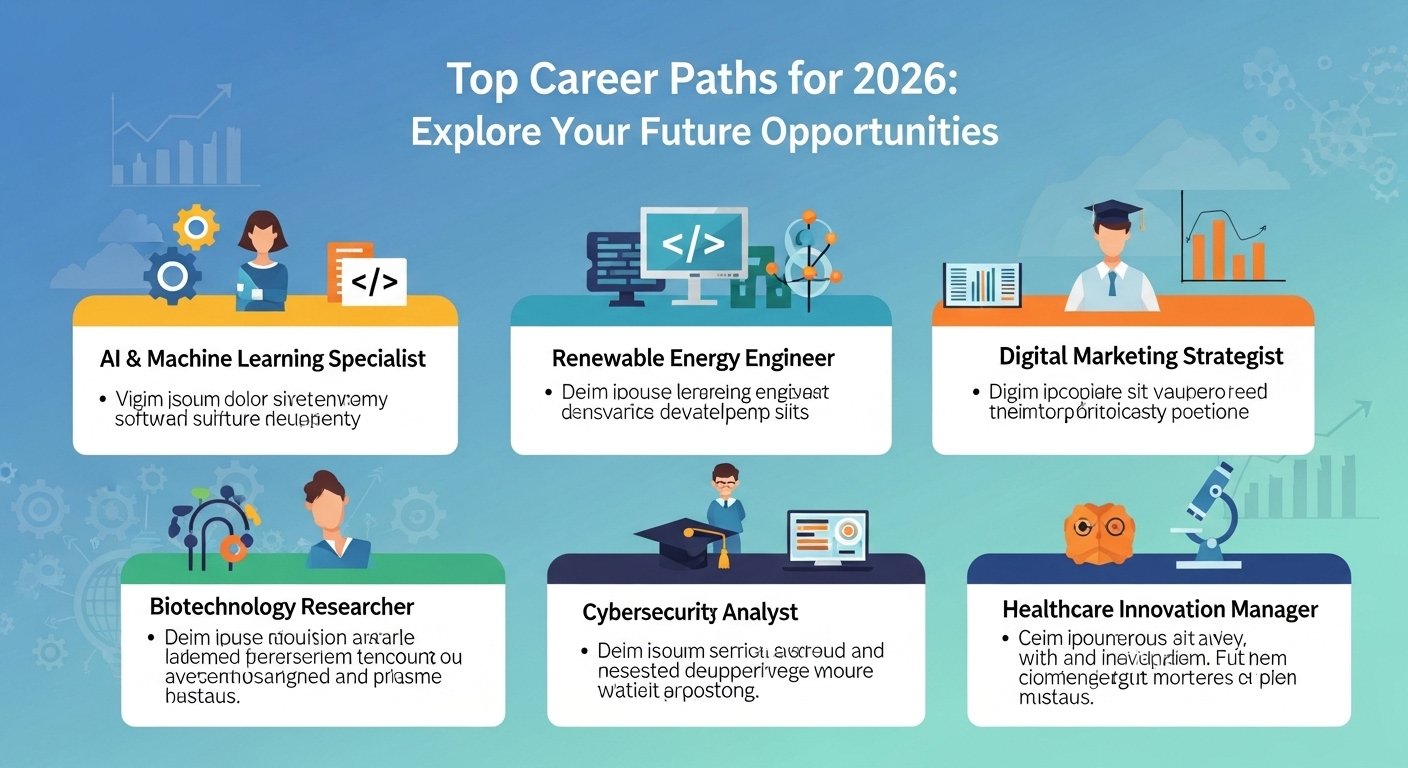
Overview of top career paths for 2026
As the world evolves, so do career paths. By 2026, industries will shift dramatically to meet emerging needs.
Technology continues to dominate. Roles in artificial intelligence and machine learning are expected to surge. These positions require innovative thinkers who can adapt quickly.
The healthcare sector is also expanding rapidly. With an aging population and a focus on wellness, jobs in nursing, telemedicine, and mental health support will be critical.
Sustainability is becoming paramount as climate change issues intensify. Careers in renewable energy and environmental science promise not only growth but also purpose-driven work that impacts our planet positively.
Additionally, fields like education technology are gaining traction. Professionals who can integrate digital tools into teaching methods will find ample opportunities ahead.
These evolving sectors highlight the importance of staying informed about trends shaping the job market for 2026.
Artificial Intelligence and Machine Learning
Artificial Intelligence (AI) and Machine Learning (ML) are revolutionizing the job landscape. These technologies aren’t just buzzwords; they have practical applications across various sectors.
From healthcare to finance, AI improves efficiency and decision-making. Imagine algorithms that can predict patient outcomes or optimize supply chains with remarkable accuracy. The demand for professionals skilled in these areas is skyrocketing.
As businesses increasingly adopt AI-driven solutions, jobs related to data science, robotics, and natural language processing will flourish. This trend opens doors for those who embrace technology.
Learning programming languages like Python or R is a great start for aspiring specialists. Online courses make it accessible for anyone wanting to dive into this field.
With continuous advancements in AI, staying updated on trends is crucial. Future-proofing your career means being adaptable and open-minded about new developments surrounding machine learning technologies.
Healthcare and Wellness Industry
The healthcare and wellness industry is rapidly evolving. With advancements in technology and an increasing focus on holistic health, new career paths are emerging.
Telemedicine has opened doors for remote healthcare professionals. It’s not just doctors; nurses and therapists can now reach patients without geographical limitations.
Wellness coaching is another exciting area. As people prioritize mental well-being, there’s a growing demand for coaches who guide individuals toward healthier lifestyles.
Biotechnology continues to thrive as innovations in genetics reshape treatment options. Careers in research and development are essential as we explore personalized medicine.
Moreover, the emphasis on preventive care means more roles in public health education. Professionals will advocate for healthy habits within communities, making a significant impact on overall well-being.
As this sector grows, it presents various opportunities that cater to diverse interests while addressing critical societal needs.
Sustainable Energy and Environmental Science
Sustainable energy and environmental science are gaining momentum in today’s job market. As the world shifts towards greener alternatives, opportunities abound for those passionate about preserving our planet.
Renewable energy sources like wind, solar, and hydroelectric power are at the forefront of this transformation. Careers in these fields focus on innovation, efficiency, and technology to harness natural resources sustainably.
Environmental scientists are crucial as they study ecosystems and assess human impact on nature. Their work informs policy decisions that protect biodiversity while promoting sustainable practices.
Jobs related to climate change mitigation also hold promise. Professionals who develop strategies for reducing carbon footprints will become increasingly sought after as businesses adapt to new regulations.
This field offers a fulfilling career path for individuals looking to make a positive difference while ensuring economic sustainability. The future is bright for those ready to tackle environmental challenges head-on.
The Importance of Soft Skills in All Career Paths
Soft skills are becoming increasingly vital across all career paths. While technical knowledge is essential, it’s often the ability to communicate effectively and work well with others that sets candidates apart.
Employers today seek individuals who can collaborate in diverse teams. Adaptability is another key trait; the job landscape can change rapidly, especially with technological advancements.
Critical thinking helps professionals solve problems creatively. Empathy fosters better relationships within workplaces, enhancing overall team dynamics.
Moreover, soft skills contribute to leadership potential. As you progress in your career, these abilities become crucial for guiding teams and driving initiatives forward.
Investing time in developing these personal attributes pays off significantly over time. Whether you’re entering a fast-paced tech environment or a nurturing healthcare setting, strong interpersonal skills will always be an asset on any journey you choose.
Conclusion: Preparing for the Job Market of the Future
As we look ahead to the job market of 2026, it’s clear that adaptability will be key. The rise of technology, especially in fields like artificial intelligence and machine learning, is reshaping how we work. Careers in healthcare are expanding as society places a greater emphasis on wellness. Similarly, with climate change at the forefront of global conversations, sustainable energy and environmental science careers are becoming vital.
While technical skills are essential for these roles, soft skills should not be overlooked. Employers increasingly value communication, problem-solving abilities, and emotional intelligence alongside specialized knowledge.
Preparing for future career paths means being proactive about your education and skill development. Consider online courses or certifications in emerging technologies or sustainability practices. Engage in networking opportunities within industries you’re interested in to gain insights from professionals already working there.
Staying informed about trends can help you carve out a niche that aligns with your passions while meeting future demands. Career paths may evolve quickly; staying flexible will ensure you remain relevant and competitive in this dynamic landscape.
Explore different options now and invest time into developing both hard and soft skills. The future holds exciting possibilities if you’re ready to embrace them.