Introduction to Conditional Access Module and Smart Card
In the ever-evolving landscape of digital security, two technologies often come into conversation: Conditional Access Modules (CAMs) and smart cards. Both play crucial roles in securing access to sensitive information and services, but they operate on different principles. Whether you’re a tech enthusiast or someone looking to understand better how these systems work, grasping their differences can help you make informed decisions about your security needs.
As we dive deeper into this comparison, we’ll explore what each technology offers, their unique functionalities, advantages, limitations, and ultimately which option might serve you best in today’s interconnected world. Let’s unravel the intricate web that connects CAMs and smart cards!
Functionality and Purpose of Conditional Access Module
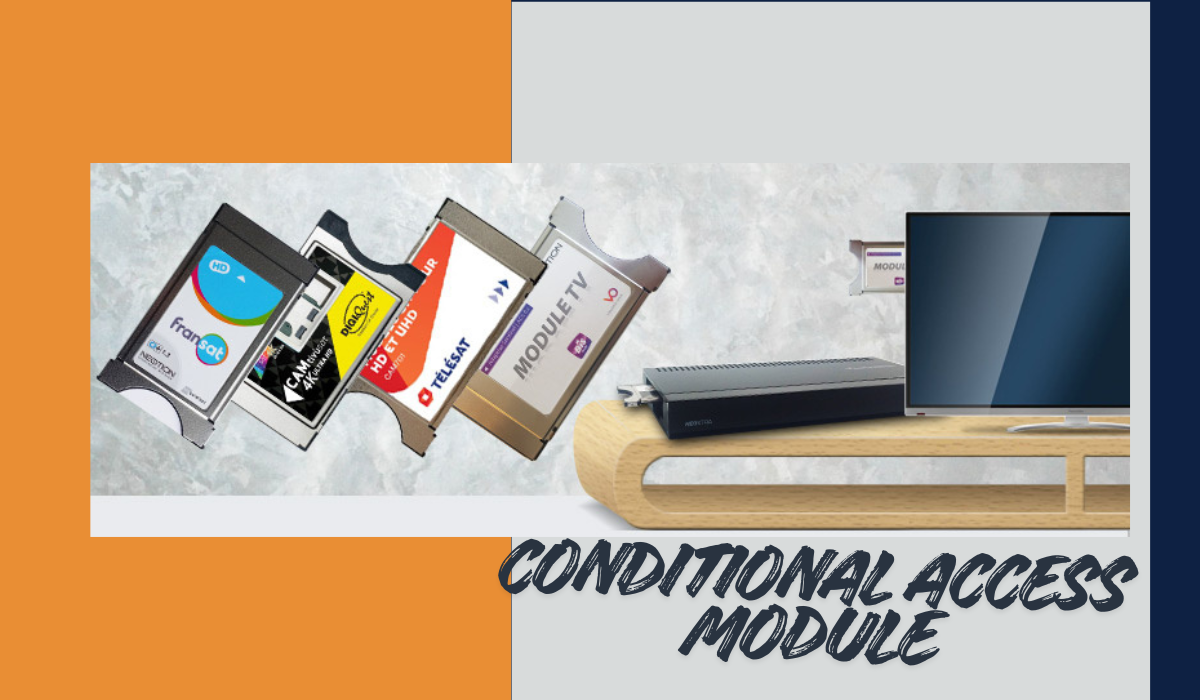
A Conditional Access Module (CAM) is an essential component in the realm of digital broadcasting. Its primary function revolves around controlling access to encrypted content, ensuring that only authorized users can view specific channels or services.
The CAM works by decrypting data transmitted over satellite or cable networks. When paired with a compatible set-top box, it enables viewers to unlock premium content securely. This technology is pivotal for pay-TV operators and broadcasters who want to manage subscription services effectively.
Additionally, the module supports various encryption standards, making it versatile across different platforms. By integrating seamlessly into existing infrastructure, a conditional access module enhances user experience while safeguarding content from unauthorized distribution.
Benefits and Limitations of using a Conditional Access Module
Conditional Access Modules (CAMs) offer several advantages for content protection and management. They enable service providers to control access to digital media, ensuring that only authorized users can view specific content. This enhances security and helps in compliance with licensing agreements.
Another benefit is the flexibility CAMs provide. They can be integrated into various devices, from TVs to set-top boxes, making them versatile for different platforms. Moreover, they often support multiple encryption standards, catering to diverse broadcasting requirements.
However, there are limitations as well. The implementation of a Conditional Access Module may involve additional costs for hardware and software updates. Additionally, if not managed properly, it could lead to user experience issues like delayed access or compatibility problems with older devices.
These factors should be weighed carefully when considering the adoption of a CAM system in your operations.
Functionality and Purpose of Smart Cards
Smart cards are compact devices embedded with integrated circuits. They serve various purposes, primarily in security and identification.
These cards can store sensitive information securely. This feature makes them suitable for applications such as banking, access control, and public transportation systems.
They often come in two types: contact and contactless. Contact smart cards require a physical connection to a reader, while contactless ones use radio-frequency technology for seamless interaction.
Furthermore, smart cards enhance user convenience through their ability to integrate multiple functions into one card. For instance, they may function as ID badges and payment methods simultaneously.
Due to their secure chip technology, smart cards significantly reduce the risk of fraud. As businesses increasingly embrace digital transformation, these versatile tools continue to gain popularity across numerous sectors.
Benefits and Limitations of using a Smart Card
Smart cards offer a range of benefits that make them appealing for various applications. They are highly secure due to embedded chips that store encrypted data, making unauthorized access difficult. Their compact size adds convenience, allowing users to carry multiple forms of identification or payment methods in one card.
Moreover, smart cards enable contactless transactions. This feature enhances user experience by speeding up processes like payments and access control. Businesses can also benefit from tracking usage effectively through the data stored on these cards.
However, there are limitations to consider as well. The initial setup cost can be high for organizations looking to implement smart card systems. Additionally, if lost or stolen, they require prompt deactivation; otherwise, sensitive information could be compromised.
Compatibility issues may arise with older systems not designed to read smart cards efficiently. As technology evolves rapidly, ensuring ongoing support becomes crucial for seamless operations.
Comparison between Conditional Access Module and Smart Card
When comparing Conditional Access Modules (CAM) and smart cards, several key distinctions emerge.
A CAM is primarily designed for digital content protection. It decrypts signals from a service provider, enabling access to premium channels or services. Its role in conditional access systems is vital for maintaining copyright security.
In contrast, smart cards function as portable storage devices that can hold various types of data. They support multiple applications beyond just access control, including payment processing and identity verification.
While both technologies enhance security, their use cases differ widely. CAMs are often embedded within set-top boxes or televisions for specific media purposes. Smart cards can be utilized across banking, transportation, and more general identification roles.
The choice between them hinges on the intended application rather than technological superiority alone. Each offers unique advantages tailored to different environments and requirements.
Which one is the better option?
Choosing between a conditional access module and a smart card depends on your specific needs. Each option has its unique strengths.
If you prioritize flexibility and scalability, the conditional access module shines. It’s designed to adapt to various systems, making it ideal for dynamic environments like streaming services or satellite TV providers.
On the other hand, if security is your primary concern, smart cards take the lead. They offer robust encryption and are widely used in secure transactions such as banking or government ID verification.
Consider also the implementation costs. Conditional access modules often require more initial setup but can be more cost-effective in the long run due to their versatility.
Assess your priorities: Is convenience key? Or does enhanced security matter more? Your decision should align with what will serve you best in both functionality and budgetary concerns.
Conclusion
When comparing a conditional access module and a smart card, it’s clear that both technologies serve distinct purposes. A conditional access module is essential for managing digital content delivery, especially in industries like broadcasting and telecommunications. It allows service providers to control subscriber access securely.
On the other hand, smart cards are versatile tools used across various sectors for secure transactions and identity verification. They offer convenience in everyday tasks but may not provide the same level of specialized functionality as a conditional access module.
Choosing between these two options ultimately depends on your specific needs. If you require robust digital rights management or content protection, a conditional access module might be preferable. However, if you’re looking for an all-purpose solution for secure identification or transactions, smart cards could be the way to go.
Evaluating your requirements will guide you toward the best choice between these two powerful technologies. Consider factors such as security needs, intended use case, and scalability when making your decision—this ensures you invest wisely in technology that aligns with your goals.