Introduction to ETF Swaps and Decentralized Finance (DeFi)
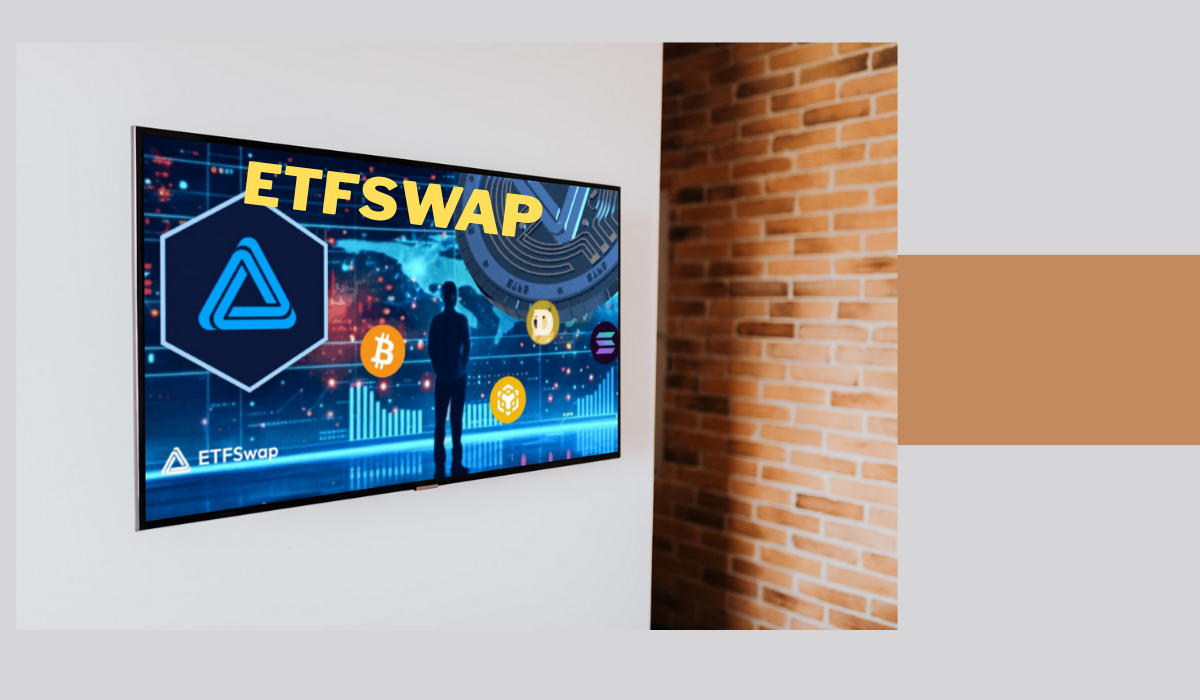
The world of finance is evolving at lightning speed, and decentralized finance (DeFi) is leading the charge. Among the many innovations sprouting up in this space, ETFswaps are gaining significant attention. If you’ve ever traded exchange-traded funds (ETFs), you know how traditional methods can sometimes be cumbersome and slow. But what if there was a way to streamline that process? Enter ETFswap—where technology meets investment in an exciting new way.
Imagine trading ETFs without the restrictions often imposed by centralized institutions. Picture a system where transparency reigns supreme and accessibility is at your fingertips. This revolutionary approach not only changes how we trade but also opens doors to a more inclusive financial future for everyone.
Curious about how it works? Let’s dive deeper into the mechanics of ETF swaps, explore their benefits over conventional methods, and assess what risks they might entail along the way. The future of investing could very well be here, so let’s uncover all that ETFswaps have to offer!
Understanding the Current ETF Trading Process
ETF trading today is primarily facilitated through traditional exchanges. Investors buy and sell these funds via brokers, often incurring fees for each transaction. The process can be complex, involving various intermediaries.
When an investor places an order, it goes through the broker to the exchange where the ETF is listed. Once the trade executes, a custodian holds the underlying assets on behalf of investors. This system provides liquidity but does add layers of complexity that can slow down transactions.
Market makers play a crucial role by providing liquidity and ensuring price stability throughout trading hours. They step in to make sure there’s always a buyer or seller available.
However, this conventional approach comes with challenges like high fees and inefficiencies during market volatility. As more people seek streamlined options, understanding these dynamics becomes increasingly essential for informed investment decisions.
The Benefits of Decentralized ETF Trading
Decentralized ETF trading offers a range of advantages that traditional methods can’t match. For starters, it eliminates the need for intermediaries. This means lower fees and faster transactions.
Accessibility is another key benefit. Anyone with an internet connection can participate in decentralized trading platforms. There are no lengthy account verification processes or geographical restrictions to contend with.
Transparency is also heightened in decentralized environments. Transactions occur on blockchain technology, making them visible and verifiable by all participants. This builds trust among users who want to ensure fair practices.
Moreover, traders enjoy greater control over their assets without relying on centralized authorities like banks or brokerage firms. They manage their investments directly, reducing risks associated with third-party custodianship.
The potential for innovative financial products within DeFi ecosystems keeps growing. Users can explore new investment strategies that were previously unavailable within conventional frameworks.
How ETFswaps Work
ETFswaps operate on the principles of blockchain technology, enabling seamless trading without traditional intermediaries. This decentralized approach allows users to exchange ETFs directly through smart contracts.
When a user wishes to swap an ETF, they initiate the process by locking their tokens into a designated smart contract. This action secures their assets while facilitating the trade. The contract autonomously executes once both parties fulfill predefined conditions.
The transparency of blockchain ensures that all transactions are publicly verifiable. Users can track their trades in real-time without relying on a centralized authority.
Moreover, ETFswaps harness liquidity pools where various assets are pooled together, enhancing market efficiency. Participants can earn rewards for providing liquidity, creating an incentive for greater participation in this innovative ecosystem.
This new model fosters enhanced security and lowers costs associated with traditional trading methods.
Risks and Limitations of ETFswaps
While ETFswaps offer a range of benefits, they come with inherent risks that investors should consider.
One major concern is the volatility associated with decentralized finance (DeFi) platforms. Prices can fluctuate dramatically due to market sentiment and liquidity issues, which may lead to unexpected losses.
Security poses another challenge. The decentralized nature of these swaps means users are responsible for their own assets. If a platform experiences a hack or exploit, it could result in significant financial repercussions.
Additionally, regulatory uncertainty surrounds DeFi transactions. As governments work to establish guidelines, users might face unforeseen legal challenges.
Understanding the technology behind ETFswaps can be daunting for some investors. A lack of comprehension about blockchain systems may hinder participation and lead to poor decision-making in trading practices.
Comparison to Traditional ETF Trading
Traditional ETF trading relies heavily on centralized exchanges. Investors place orders through brokers, often facing delays and high fees. This system has inherent limitations in terms of accessibility and transparency.
In contrast, ETFswaps operate within decentralized finance (DeFi), eliminating intermediaries. Users trade directly with one another on blockchain platforms. This reduces costs significantly while enhancing transaction speed.
Additionally, traditional ETFs have strict regulatory oversight which can limit the variety of assets available for trading. On the other hand, decentralized platforms can offer a broader selection of unique or niche ETFs that may not be accessible through conventional means.
Moreover, the reliance on centralized entities creates additional risks like counterparty default. The trustless nature of DeFi minimizes this risk by enabling peer-to-peer transactions secured by smart contracts.
The Future of Decentralized Finance and ETFswaps
The future of decentralized finance (DeFi) holds immense potential for ETFswaps. As the appetite for innovative trading solutions grows, so does the interest in non-traditional financial instruments.
ETFs that operate on decentralized platforms can foster greater accessibility and transparency. Investors no longer need to rely solely on centralized exchanges, which often come with their own set of limitations and fees.
Moreover, as blockchain technology evolves, we may see enhanced security features within ETFswaps. This could lead to a more trustworthy environment where stakeholders feel empowered to engage freely.
With continuous advancements in smart contracts and automated processes, ETFswaps might redefine how individuals manage portfolios. The possibilities are vast as DeFi seeks not just to replicate but also innovate upon conventional methods.
Adapting traditional investment strategies within this new framework will challenge existing paradigms while offering fresh opportunities for growth.
Conclusion
Decentralized ETF trading is reshaping the landscape of finance. ETFswaps offer a new way for investors to engage with exchange-traded funds, leveraging the benefits of decentralized finance. By eliminating intermediaries, reducing fees, and providing greater accessibility, they present an exciting alternative to traditional methods.
However, it’s essential to remain aware of potential risks and limitations associated with this innovative approach. Understanding how ETFswaps work can empower investors to make informed decisions in this evolving environment.
As DeFi continues to grow, so too will the opportunities surrounding ETFs and their swaps. The future looks bright for those willing to explore these advancements while keeping a cautious eye on market dynamics and regulatory developments. Embracing change could lead to enhanced investment strategies that align more closely with individual goals in a rapidly transforming world.