
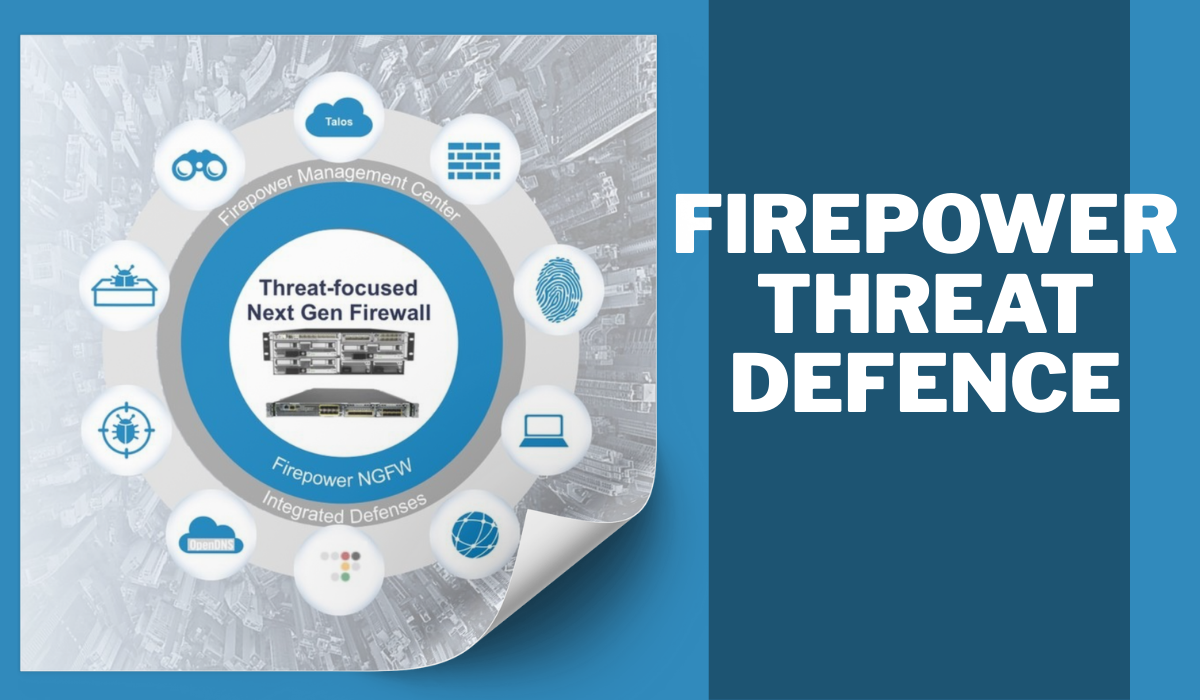
Introduction to Firepower Threat Defence (FTD) and Adaptive Security Appliance (ASA)
In today’s rapidly changing cybersecurity landscape, organizations must stay ahead of emerging threats. Two popular solutions from Cisco—Firepower Threat Defence (FTD) and Adaptive Security Appliance (ASA)—offer robust protection, but they are designed for different types of environments and needs. As businesses navigate the complexities of network security, understanding these two options becomes imperative. This comparison dives deep into what each solution brings to the table so you can make an informed choice for your organization’s unique requirements. Whether you’re looking to bolster your defenses or considering a complete overhaul of your existing systems, let’s explore how FTD and ASA stack up against each other in this digital battleground.
Similarities between FTD and ASA
Firepower Threat Defence (FTD) and Adaptive Security Appliance (ASA) share common ground in their core functionalities. Both solutions cater to the needs of network security, providing robust firewall capabilities.
They are designed to protect against a variety of threats. This includes malware, intrusion attempts, and other malicious activities that can compromise organizational data.
Each system integrates with Cisco’s broader ecosystem. This allows for seamless collaboration between devices and centralized management tools.
Their user interfaces present familiar navigation patterns. Administrators accustomed to ASA will find similar layouts in FTD, making the transition smoother when adopting new technologies.
Both FTD and ASA support virtual private networks (VPNs), ensuring secure remote access for users. They also offer logging and monitoring features essential for compliance audits or incident investigations.
In essence, while they have unique attributes, their foundational similarities create a bridge for organizations considering either option.
Key Differences between FTD and ASA
Firepower Threat Defence (FTD) and Adaptive Security Appliance (ASA) serve different roles in network security, despite their shared origins.
FTD integrates advanced threat protection features like intrusion prevention systems and URL filtering. It leverages Cisco’s Talos Intelligence Group to provide real-time updates on emerging threats.
Conversely, ASA focuses primarily on firewall capabilities. It’s highly effective for traditional perimeter defense but lacks the comprehensive threat intelligence present in FTD.
Management interfaces also differ significantly. FTD uses a unified management console that simplifies configuration and monitoring across various security functions. ASA relies more heavily on CLI commands, which can be less intuitive for new users.
Deployment options vary as well; FTD supports both physical and virtual environments while ASA is typically hardware-based, although some virtual solutions exist.
These distinctions highlight the evolving landscape of network security tools tailored to diverse organizational needs.
Pros and Cons of FTD
Firepower Threat Defence (FTD) offers robust security features that appeal to many organizations. Its advanced threat protection capabilities are one of its standout advantages. With integrated intrusion prevention and malware detection, FTD helps businesses stay ahead of evolving threats.
Another benefit is the centralized management interface. This simplifies monitoring and policy enforcement across diverse networks, making it easier for IT teams to maintain security posture.
However, FTD does come with some drawbacks. The complexity of deployment can be a challenge for smaller organizations lacking dedicated resources or expertise. Additionally, licensing costs may be higher than traditional solutions like ASA, potentially impacting budget considerations.
Performance can also vary based on configuration and network demands. Organizations must carefully assess their needs before committing fully to this solution.
Pros and Cons of ASA
The Adaptive Security Appliance (ASA) has been a cornerstone in network security. One of its main advantages is the robust firewall capabilities, providing strong protection against various threats.
Another benefit lies in its versatility. ASA can integrate with different Cisco technologies, enhancing overall security measures and simplifying management tasks.
However, there are downsides to consider. The ASA may lack some advanced features found in newer solutions like Firepower Threat Defence. This can limit visibility into certain types of traffic or vulnerabilities.
Additionally, users often find the learning curve steep when configuring ASA devices effectively.
Cost is another factor; while it offers solid performance, expenses can add up quickly for larger deployments requiring multiple units or licenses.
These elements make it essential to evaluate whether ASA aligns well with your organization’s specific needs and budget constraints.
Choosing the Right Firewall for Your Organization
Choosing the right firewall for your organization is a critical decision that can impact your security posture. Start by assessing your specific needs. Consider factors like network size, application requirements, and user behavior.
Evaluate whether you need advanced features such as intrusion prevention or threat intelligence. Firepower Threat Defence offers robust capabilities in this area, while ASA provides solid foundational protection.
Budget constraints also play a role. Some firewalls come with higher licensing costs but offer more features that may be necessary for larger enterprises.
Engage stakeholders from various departments to gather insights on what they require from a firewall solution.
Look into vendor support and community resources; these can significantly influence how effectively you implement and manage the chosen system over time. Tailoring your choice to fit both current demands and future growth will ensure you’re well-equipped against evolving threats.