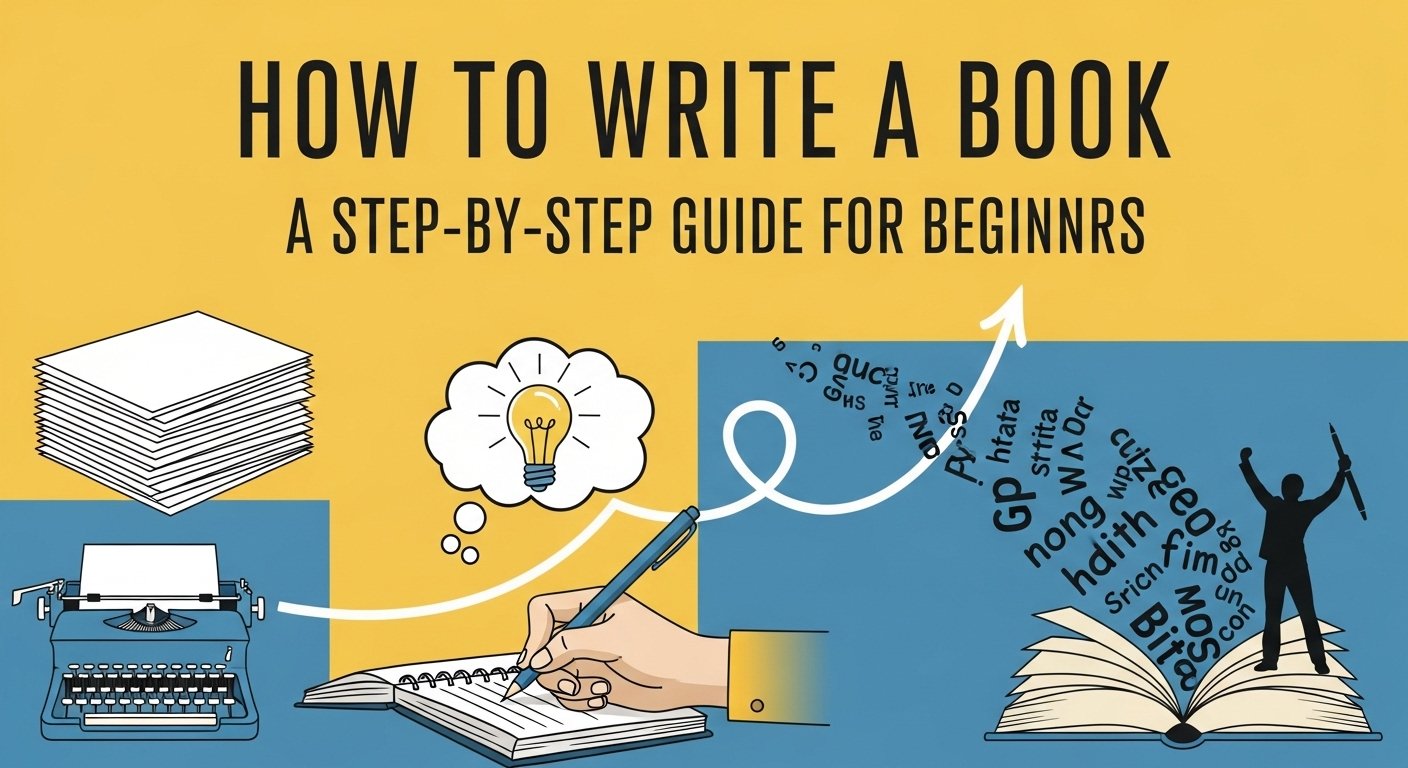
Writing a book is like embarking on an exciting journey. It’s a chance to explore new worlds, share unique stories, and connect with readers who resonate with your message. Whether you dream of penning the next great novel or sharing your expertise in a nonfiction guide, the power of writing a book can transform not just your life but also the lives of others.
Imagine holding your own published work in hand—a tangible result of countless hours spent crafting words. The thought alone can be exhilarating! But where do you start? How do you turn that spark of an idea into a full-fledged manuscript? Fear not; this step-by-step guide will walk you through everything you need to know about how to write a book from scratch. Get ready to unleash your creativity and make that literary dream come true!
Step 1: Choose Your Genre and Target Audience
Choosing your genre is the first step on the journey of writing a book. It sets the tone for everything that follows. Are you drawn to thrilling mysteries, heartwarming romances, or perhaps sci-fi adventures? Your choice shapes not just your story but also influences how potential readers will perceive it.
Understanding your target audience is equally crucial. Who do you envision flipping through your pages? Young adults seeking escape? Busy parents looking for quick reads? Knowing this helps tailor your content effectively.
Researching popular trends within your chosen genre provides insights into what hooks readers’ interests. Dive into forums and social media groups where fans gather; their conversations can spark inspiration and give direction to your writing journey.
Clarity in both genre and audience paves the way for a more focused narrative, ensuring you engage with those who will appreciate every word you write.
Step 2: Develop Your Idea and Plot
Developing your idea and plot is where the magic truly begins. Start by brainstorming different concepts that excite you. Jot down anything—from a single sentence to a vivid scene.
Next, think about the central conflict or theme of your story. What do you want to convey? This will guide your narrative journey.
Create a basic structure for your plot. Consider using classic frameworks like the three-act structure or the hero’s journey. These can help shape events and character arcs effectively.
Don’t shy away from twists and surprises; they keep readers engaged! Ask yourself what challenges your characters will face and how these obstacles shape their growth.
Remember, flexibility is key during this phase. Your initial idea might evolve as you write, so embrace changes that enhance your narrative flow.
Step 3: Create Dynamic Characters
Creating dynamic characters is crucial to engaging your readers. These are the individuals who will carry your story, so make them memorable.
Start by giving each character depth. Think about their backgrounds, dreams, and fears. This backstory adds layers that enrich their personality.
Next, consider how they evolve throughout the narrative. Characters should face challenges that force them to grow or change in some way. A well-rounded arc keeps readers invested.
Don’t forget about relationships! How do your characters interact with one another? Their connections can reveal much more than inner thoughts alone.
Infuse quirks and unique traits into each character. Whether it’s a peculiar laugh or an unusual hobby, these details make them relatable and distinct in the reader’s mind. Let your imagination run wild; after all, this is where unforgettable stories begin!
Step 4: Plan and Outline Your Book
Planning and outlining your book is a crucial step that can set the stage for your writing journey. It’s not just about having a roadmap; it’s about visualizing the path you’ll take.
Start by breaking down your story into key components: beginning, middle, and end. Identify major plot points that will drive the narrative forward. This structure acts like scaffolding for your creativity.
Consider using different outlining methods. Some writers prefer bullet points while others thrive on detailed chapter summaries. Find what resonates with you, as this will make the writing process smoother.
Don’t forget to leave room for flexibility in your outline. Characters may develop in unexpected ways that could shift the storyline. Embrace these changes—they often lead to richer narratives!
With a solid plan in place, you’re ready to dive deeper into character development and crafting engaging scenes.
Step 5: Write Your First Draft
Writing your first draft is an exhilarating experience. It’s where ideas transform into words on a page, bringing your story to life. Don’t worry about perfection at this stage; the goal is simply to get your thoughts flowing.
Set aside time each day dedicated solely to writing. Create a comfortable space that inspires you. Whether it’s a cozy nook in your home or a bustling café, find what works best.
Keep in mind that writer’s block can strike unexpectedly. When it does, try freewriting for 10 minutes without stopping. This exercise can help unlock creativity and momentum.
Focus on getting through the entire draft before revisiting any sections. Allow yourself to explore different plotlines and character arcs freely—this is all part of discovering your narrative voice!
Once you’ve penned those initial pages, celebrate this achievement! You’ve taken an essential step toward becoming an author.
Step 6: Revise and Edit Your Book
Revising and editing are crucial steps in the writing process. This is where your manuscript transforms from a rough draft into something polished.
Start by reading through your work several times. Look for inconsistencies, plot holes, or character issues. Take notes on what feels off or unclear.
Next, focus on language and style. Are there repetitive phrases? Does the tone match your intended audience? Tighten sentences to enhance clarity and impact.
Don’t shy away from seeking feedback from trusted readers or writing groups. Fresh eyes can spot problems you might have missed.
Consider professional editing services if possible. An editor’s expertise can elevate your book significantly, ensuring it resonates with readers just as you intend it to.
Step 7: Find a Publisher or Self-Publishing Options
Once you’ve polished your manuscript, it’s time to consider how to share it with the world. You have two main routes: traditional publishing or self-publishing.
Traditional publishing can offer credibility and support. You’ll likely need a literary agent who believes in your work. They’ll help you navigate the complex landscape of publishers. It’s a longer process, but many authors find it rewarding.
On the other hand, self-publishing gives you complete control over every aspect of your book’s journey. Platforms like Amazon Kindle Direct Publishing and IngramSpark make it easier than ever to get started. You set your own timelines and retain all rights.
Each option has its pros and cons depending on your goals as an author. Consider what aligns best with your vision for sharing your story and reaching readers effectively.
Conclusion
Writing a book is an exciting journey that can lead to personal fulfillment and professional success. Each step, from choosing your genre to finding the right publisher, shapes your unique narrative. Remember that every author starts somewhere; it’s about persistence and passion.
Embrace the process as you develop your idea into a fully fleshed-out manuscript. Take time with each phase, especially when revising and editing—this is where your work truly comes to life. Don’t hesitate to seek feedback from trusted friends or writing groups; their insights can be invaluable.
Today’s publishing landscape offers many avenues for sharing your story with the world, whether through traditional routes or self-publishing platforms. Whichever path you choose, stay true to yourself and let your voice shine.
So grab that pen or laptop and start crafting the book you’ve always wanted to write! Your story deserves to be told.