
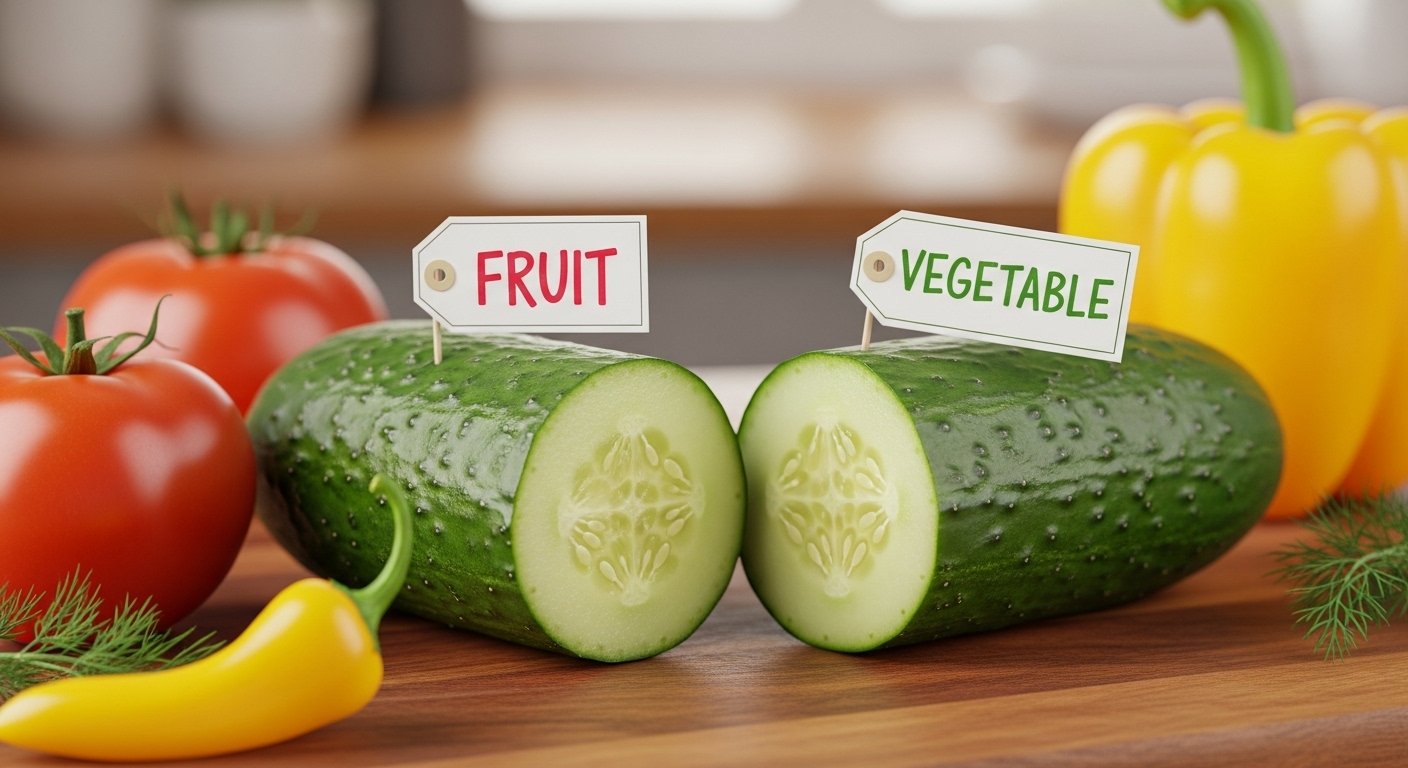
Cucumbers are a staple in salads and sandwiches, adored for their refreshing crunch. But have you ever paused to wonder about their identity? Is a cucumber a fruit or vegetable? This age-old question sparks curiosity among food lovers and nutrition enthusiasts alike. Understanding what cucumbers really are not only enriches your culinary knowledge but also adds an extra layer of appreciation for this versatile produce. Let’s dive into the debate surrounding cucumbers, explore their scientific classification, uncover their nutritional benefits, and find out just how many ways we can enjoy this delightful green treat!
The Debate: Fruit or Vegetable?
The debate about whether cucumbers are fruits or vegetables has puzzled many. On the surface, they seem like a vegetable, often found in salads and sandwiches. However, botanically speaking, they belong to the fruit family.
Cucumbers develop from the flowering part of plants and contain seeds. This makes them technically a fruit. In culinary terms, though, their mild flavor and crunchy texture lead most people to categorize them with vegetables.
This classification can spark lively discussions among chefs and nutritionists alike. Some insist that knowing its botanical role changes how we appreciate this refreshing snack.
Whether you see it as a fruit or veggie often depends on your perspective—culinary vs. scientific. Both sides have valid points worth considering in our everyday kitchen adventures.
Scientific Classification of Cucumbers
Cucumbers belong to the Cucurbitaceae family, which includes a variety of other popular plants such as melons and pumpkins. This classification places cucumbers firmly within the realm of gourds.
Botanically speaking, they are classified as Cucumis sativus. The genus Cucumis encompasses several species, but C. sativus is the one primarily cultivated for our salad bowls and sandwiches.
Interestingly, while we often think of cucumbers in savory contexts, their botanical category reveals that they share characteristics with fruits rather than vegetables. They develop from flowering plants and contain seeds—key traits that define fruits in botany.
This scientific perspective helps us understand more about what truly makes a cucumber unique. While culinary definitions might sway towards vegetables due to taste and usage in dishes, their biological roots tell an entirely different story.
Nutritional Benefits of Cucumbers
Cucumbers are a refreshing addition to any diet. They are composed of about 95% water, making them an excellent choice for hydration.
Loaded with vitamins and minerals, cucumbers provide Vitamin K, essential for bone health. They also contain decent amounts of Vitamin C, promoting immune function.
Their low-calorie count is appealing for those watching their weight. Just one cup has only around 16 calories.
Beyond vitamins, cucumbers boast antioxidants like beta-carotene and flavonoids. These compounds help combat oxidative stress in the body.
Cucumbers also support digestion due to their fiber content. This aids in regular bowel movements and overall gut health.
Additionally, they may help lower blood sugar levels thanks to certain compounds found within them. This makes them a heart-healthy option as well.
Whether sliced in salads or blended into smoothies, cucumbers add nutritional value without compromising flavor.
Different Ways to Enjoy Cucumbers
Cucumbers are incredibly versatile. They can be enjoyed in various ways that cater to different tastes and occasions.
Slice them thin for a refreshing addition to salads. Their crispness adds a delightful crunch, balancing out other textures beautifully.
Try pickling cucumbers for a tangy snack or condiment. Homemade pickles can elevate burgers and sandwiches with their zesty flavors.
For something light, blend cucumbers into smoothies. They create a hydrating base when mixed with fruits like pineapple or mint.
Cucumber slices also make perfect finger food at parties. Pair them with hummus or tzatziki for an easy appetizer that’s both healthy and delicious.
Grilling is another excellent option. Lightly charred cucumbers develop an unexpected smoky flavor, enhancing your favorite grilled dishes.
Don’t forget about cucumber-infused water! It’s simple to prepare and offers a refreshing twist on hydration during hot summer days. Enjoy experimenting!
Common Myths about Cucumbers
Cucumbers often come with a side of myths that can be quite entertaining. One prevalent myth is that cucumbers are solely a vegetable. In reality, they belong to the fruit family since they develop from flower ovaries and contain seeds.
Another misconception is that all cucumbers need to be peeled before eating. While some prefer them without skin for texture reasons, the peel actually holds many nutrients and adds crunch.
People also believe that seedless cucumbers lack flavor or nutrition, but this isn’t true either. Seedless varieties tend to have a crispier bite and are often more tender than their seeded counterparts.
There’s the idea that cucumbers can’t be preserved well due to their high water content. Yet, pickling them turns these hydrating fruits into tangy treats you can enjoy year-round!
Conclusion
Cucumbers are a fascinating subject that sparks debate among food enthusiasts, gardeners, and nutritionists alike. While many people think of cucumbers as vegetables due to their savory taste and common uses in salads or pickles, they actually fall under the fruit category based on scientific classification. This dual identity adds to their charm.
Understanding the nutritional benefits of cucumbers is equally important. They are low in calories but rich in vitamins and minerals, making them an excellent choice for those looking to maintain a healthy diet. Enjoying cucumbers can be versatile; whether you prefer them sliced fresh with dip, blended into smoothies, or pickled for snacks—there’s no shortage of delicious options.
Additionally, unraveling the myths surrounding cucumbers helps clarify their unique position in our diets. Common misconceptions often misplace them solely within vegetable boundaries when they deserve recognition as fruits too.
So next time someone asks “is a cucumber a fruit?” you’ll have all the insights needed to confidently answer this tasty riddle while enjoying your favorite cucumber dish!