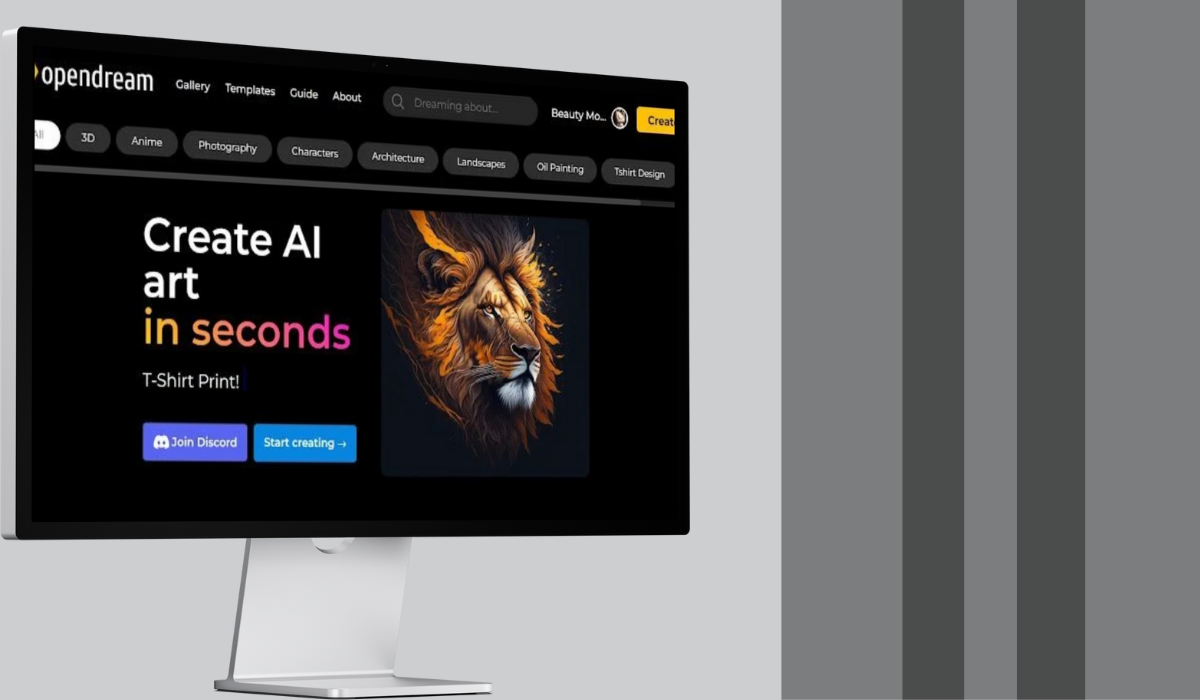
Introduction to OpenDream AI
Imagine a world where creativity knows no bounds, where machines collaborate with artists to create stunning visuals that push the limits of imagination. Enter OpenDream AI—a groundbreaking innovation in the realm of AI-generated art. This technology is not just reshaping how we perceive art; it’s redefining what it means to be an artist in today’s digital age.
OpenDream AI taps into an immense database of styles and techniques, allowing anyone—whether seasoned artist or curious beginner—to bring their visions to life with remarkable ease. As we delve deeper into this fascinating intersection of technology and creativity, you’ll discover how OpenDream AI works, its impact on the art community, and what ethical considerations arise from this unique blend of human ingenuity and artificial intelligence. Get ready to explore the future of opendream ai art!
How Does OpenDream AI Work?
OpenDream AI operates through advanced algorithms and neural networks. These systems are designed to analyze vast datasets of existing artwork, learning patterns, styles, and techniques.
When a user inputs prompts or themes, the AI draws from its learned knowledge. It synthesizes this information to generate unique pieces of art that reflect the specified ideas while maintaining an innovative edge.
The process involves multiple layers of artificial intelligence. Each layer processes different aspects of creativity—from color choices to composition strategies. This multifaceted approach allows OpenDream AI to produce diverse outcomes with each iteration.
Furthermore, it adapts over time as it learns from user feedback and new art trends. This evolution not only enhances creativity but also ensures relevance in a rapidly changing artistic landscape.
The Impact of AI on the Art World
The rise of AI has triggered a seismic shift in the art world. Traditional artists now find themselves navigating a landscape where algorithms can create stunning visuals at an astonishing pace.
OpenDream AI, for instance, generates pieces that challenge our understanding of creativity and authorship. This technology democratizes art creation, allowing anyone with access to a computer to become an artist.
However, this innovation also raises questions about originality and value. As machines produce more artwork, collectors must reconsider what makes a piece significant. Can a work created by code ever hold the same emotional weight as one crafted by human hands?
Moreover, galleries are adapting their exhibits to include AI-generated works—often showcasing them alongside traditional pieces. The interplay between these two worlds creates new dialogues about aesthetics and intention in art-making.
Artists may even collaborate with algorithms, blending human intuition with machine precision to explore uncharted territories in visual expression.
Advantages and Disadvantages of AI-Generated Art
AI-generated art brings a host of advantages that are hard to ignore. For starters, it democratizes creativity. Anyone with access to the technology can generate unique pieces without needing traditional artistic skills. This opens up new avenues for expression and exploration.
On the flip side, there are notable concerns. Authenticity becomes blurred when machines create art traditionally associated with human emotion and experience. Critics argue that AI lacks true understanding or intention behind its creations.
Moreover, there’s the issue of originality. Many question whether AI-produced works can truly be considered “art” if they heavily rely on existing styles or data sets for inspiration.
Additionally, artists worry about job displacement in creative fields as more businesses turn to AI solutions for cost-effectiveness and efficiency. Balancing innovation with respect for human artistry poses significant challenges going forward.
Ethical Considerations of OpenDream AI
The rise of OpenDream AI art introduces a flurry of ethical questions. One major concern is authorship. When an algorithm generates artwork, who owns the rights? Is it the developer, the user, or even the machine itself?
Another pressing issue is authenticity. As machines create stunning visuals, we must ask whether AI-generated pieces can hold the same emotional depth as human-made art. The line between inspiration and imitation blurs.
Additionally, there’s a risk of bias in generated content. Algorithms trained on limited datasets may perpetuate stereotypes or exclude diverse perspectives altogether.
There’s environmental impact to consider. Training sophisticated AI models consumes significant energy resources. Balancing creativity with ecological responsibility poses a complex challenge for artists and technologists alike.
The Future of AI-Generated Art and Its Potential Uses
The horizon of AI-generated art is vast and filled with potential. As tools like OpenDream AI evolve, the boundaries of creativity are being pushed further. Artists can collaborate with algorithms, blending human intuition and machine precision to create stunning masterpieces.
These innovations could redefine various industries. Imagine personalized artwork for interior design or unique illustrations in advertising tailored specifically for target audiences. Businesses might harness this technology to produce visual content at an unprecedented scale.
Moreover, educational institutions may incorporate AI art into curriculums, inspiring a new generation of creators who understand both traditional techniques and digital processes.
In entertainment, filmmakers could use AI-generated visuals to develop concept art rapidly, enhancing storytelling through striking imagery that captivates audiences. The fusion of creativity and technology is just beginning; the possibilities are endless.
Conclusion
OpenDream AI is reshaping the landscape of creativity and expression. By harnessing advanced algorithms, it enables artists and enthusiasts to explore new realms of imagination. The technology behind OpenDream AI allows for unique art generation that challenges traditional boundaries.
The impact on the art world is significant. Artists can collaborate with AI, creating works that blend human ingenuity with machine precision. While there are advantages, such as accessibility and endless possibilities, there are also drawbacks worth considering. The debate over authenticity raises important questions about ownership and value in art.
Ethical considerations cannot be overlooked either. As we embrace this new medium, it’s vital to navigate the implications responsibly.
Looking ahead, the future of AI-generated art holds immense potential across various industries—be it entertainment, marketing or even education. With tools like OpenDream AI at our fingertips, we stand on the cusp of a creative revolution that redefines what art means in our society today.