
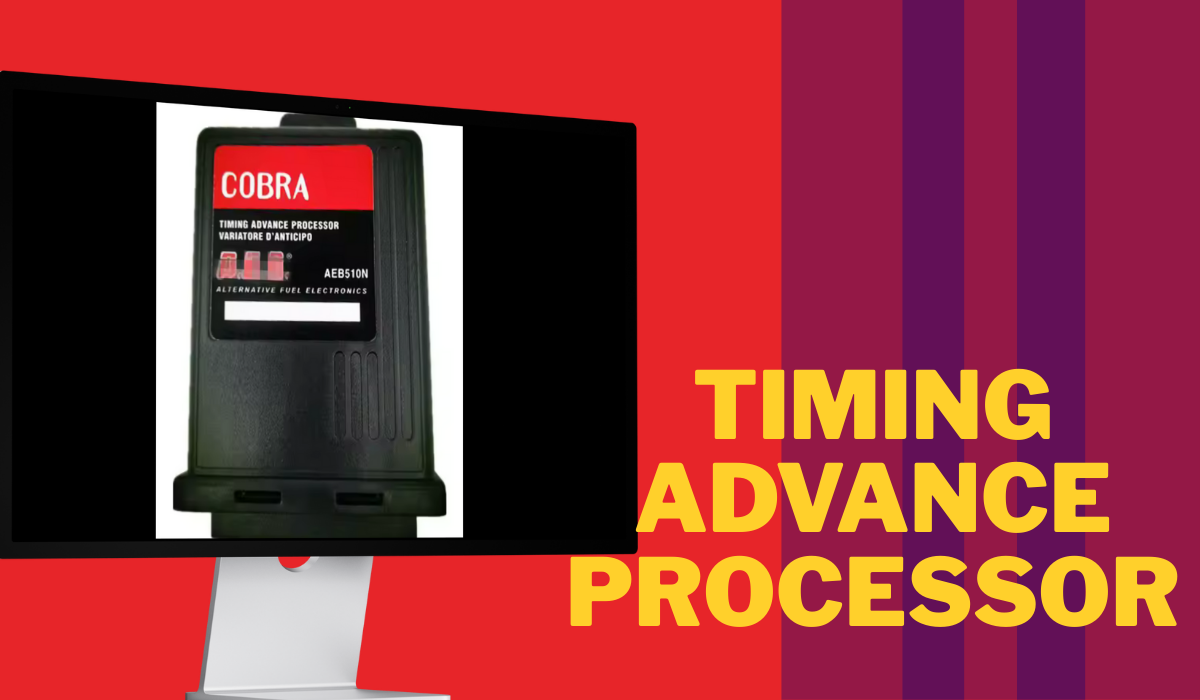
Introduction to Timing Advance Processor and ECU Tune
When it comes to enhancing your vehicle’s performance, two popular options often come into play: the timing advance processor and ECU tune. Both promise improved power and efficiency, but how do they stack up against each other? If you’re looking to squeeze every ounce of potential from your engine, understanding these technologies is crucial. The right choice can elevate your driving experience significantly. So, let’s dive into what makes each option unique and determine which might be the ideal fit for you!
How Timing Advance Processor Works
A Timing Advance Processor (TAP) is a sophisticated device designed to optimize engine performance. It modifies the ignition timing, which is crucial for achieving maximum power and efficiency.
At its core, the TAP assesses various parameters like engine load and RPM. By adjusting the ignition timing in real-time, it ensures that fuel burns at the ideal moment. This leads to better combustion and enhanced throttle response.
The processor communicates with your vehicle’s onboard systems, making instantaneous adjustments based on driving conditions. This adaptability allows for improved acceleration and overall performance.
Installation of a TAP typically involves connecting it to existing sensors without major modifications. Once in place, drivers often notice an immediate difference in how their vehicle responds under different situations.
By fine-tuning ignition settings, a Timing Advance Processor can lead to increased horsepower and torque while maintaining fuel efficiency levels suitable for everyday driving needs.
Benefits of Using a Timing Advance Processor
A Timing Advance Processor can significantly enhance your vehicle’s performance. By optimizing ignition timing, it improves the combustion process in your engine. This leads to better fuel efficiency and power output.
One of the standout benefits is its adaptability. Unlike a static ECU tune, a Timing Advance Processor allows for on-the-fly adjustments based on various conditions. Whether you’re driving uphill or at high speeds, this flexibility ensures optimal performance.
Additionally, installation is often straightforward compared to an ECU tune. Many models are designed for easy integration without extensive modifications.
This processor also aids in reducing emissions by ensuring that fuel burns more completely during combustion cycles. Cleaner emissions not only benefit the environment but can also keep you compliant with local regulations.
Using a Timing Advance Processor can extend engine life by minimizing knocking and pre-ignition issues that may arise from poor timing settings.
How ECU Tune Works
An ECU tune, or Engine Control Unit tuning, involves modifying the software that controls your vehicle’s engine. This process allows for adjustments to various parameters, such as fuel delivery and ignition timing.
When a technician connects to the ECU via specialized software, they can analyze and alter data settings. These changes optimize performance by enhancing horsepower and torque while improving fuel efficiency.
The tuning process can be custom-tailored based on specific driving styles or needs. For example, someone focused on racing might prioritize power output over fuel economy.
Advanced ECUs use algorithms to self-adjust in real-time conditions. Tuning enhances their capabilities beyond factory settings by unlocking potential that manufacturers may not fully utilize.
With modern vehicles embracing digital technology more than ever before, an ECU tune is becoming increasingly popular among enthusiasts seeking better performance without significant mechanical modifications.
Advantages of an ECU Tune
An ECU tune can significantly enhance your vehicle’s performance. By reprogramming the engine control unit, you gain more horsepower and torque. This leads to a more responsive driving experience.
Fuel efficiency is another key advantage. A well-executed tune adjusts fuel maps for optimal combustion. This means you could save money at the pump while enjoying better acceleration.
Additionally, an ECU tune allows for customization based on individual preferences or specific driving conditions. Whether you’re looking for race-level performance or daily drivability, tuning options cater to various needs.
Moreover, modern tuning software often provides real-time data monitoring. This feature helps drivers keep track of their car’s health and performance metrics easily.
Many enthusiasts appreciate that no physical modifications are necessary with an ECU tune. It offers substantial gains without altering your vehicle’s original components.
Comparison of Performance and Cost
When evaluating performance, both the timing advance processor and ECU tune offer distinct advantages. A timing advance processor adjusts ignition timing in real-time, leading to immediate gains in throttle response and power output. This method can be particularly effective for those seeking quick enhancements without extensive modifications.
On the other hand, an ECU tune involves more comprehensive alterations to your vehicle’s engine management system. It optimizes various parameters beyond just ignition timing. This holistic approach can yield significant horsepower increases but may require a professional installation or software updates.
Cost is another critical factor to consider. Timing advance processors usually come at a lower upfront price compared to ECU tuning services, which often involve labor costs on top of software fees. Budget-conscious enthusiasts might lean towards processors initially while aiming for future upgrades with an ECU tune as funds allow. Each option has its merits depending on budget constraints and desired performance outcomes.
Which Option Is Better for Your Vehicle?
Choosing between a timing advance processor and an ECU tune depends largely on your specific needs. If you’re looking for quick, adjustable changes to ignition timing without extensive modifications, the timing advance processor could be your best bet. It offers flexibility and is generally easier to install.
On the other hand, if you want a comprehensive overhaul of your vehicle’s performance parameters, an ECU tune may serve you better. This option can optimize various engine settings beyond just timing, enhancing overall power delivery and efficiency.
Consider how often you’ll make adjustments. For frequent tweaks based on driving conditions or preferences, the timing advance processor shines. However, if you’re seeking sustained improvements with minimal fuss post-installation, go for an ECU tune.
Evaluate what aspects of performance matter most to you before making that choice—your driving style will influence which tool is more suitable in the long run.
Factors to Consider Before Making a Decision
Before choosing between a timing advance processor and an ECU tune, consider your vehicle’s specific needs. Different engines respond differently to modifications.
Think about your driving style. If you prioritize fuel efficiency over high performance, the timing advance processor might suit you better. However, if you’re looking for that extra horsepower on the track, an ECU tune could be more beneficial.
Also, evaluate installation complexity. Timing advance processors are often simpler to install than full ECU tunes, which may require professional assistance or software changes.
Cost is another crucial factor. While both options can improve performance, their price points vary significantly based on brand and features.
Keep in mind warranty implications with either choice. Some manufacturers’ warranties may be affected by these modifications; understanding potential repercussions is essential before committing to any upgrade.
Conclusion
When it comes to enhancing your vehicle’s performance, both a timing advance processor and an ECU tune offer unique advantages. The choice between them depends on various factors including your car’s make and model, your personal driving style, and what you hope to achieve in terms of power and efficiency.
A timing advance processor can provide immediate results with the ability to optimize ignition timing. This translates into noticeable improvements in throttle response and overall performance without extensive modifications. On the other hand, an ECU tune delivers comprehensive changes across multiple parameters like fuel delivery, air-fuel ratios, and boost levels if applicable. While this may involve more complex adjustments often requiring professional intervention, the potential gains are significant.
Cost is another important factor. Timing advance processors tend to be more budget-friendly upfront but may not deliver as dramatic an increase in power as a full ECU tune might over time. Your decision should reflect how much you’re willing to invest versus what level of enhancement you’re aiming for.
Consider also that some vehicles respond better to one option than the other based on specific engine configurations or intended uses—like street driving versus racing scenarios.
Doing thorough research alongside consulting automotive professionals will guide you toward making the right choice for elevating your vehicle’s capabilities effectively while aligning with your goals as a driver.